
ARCAM gebouw
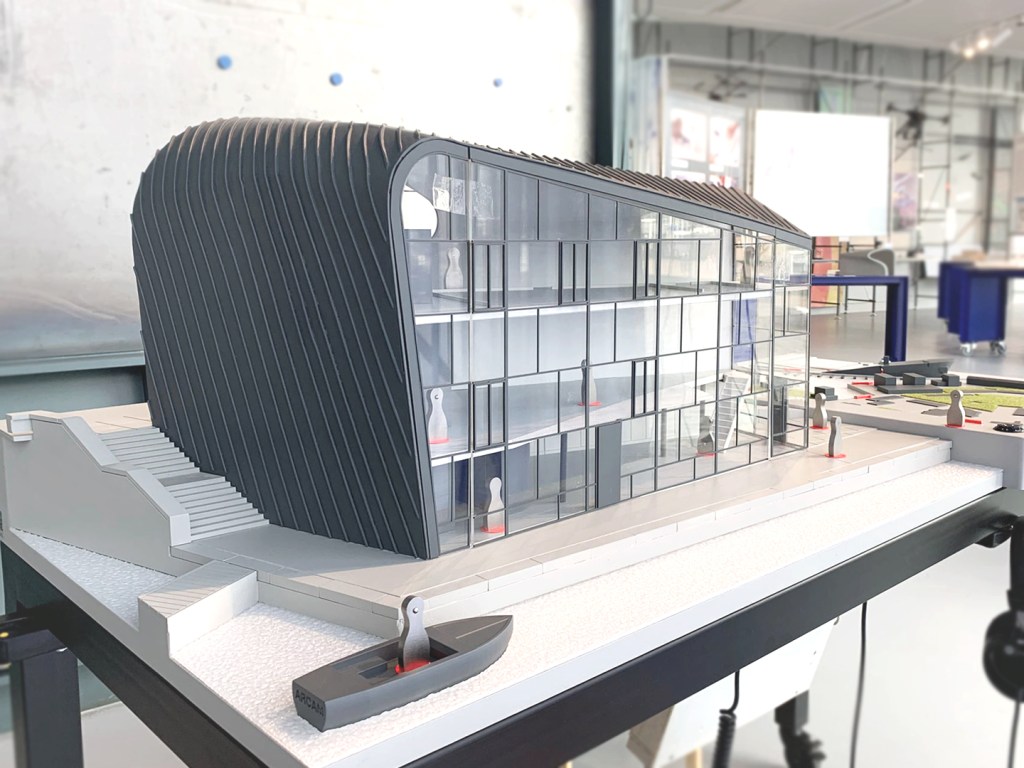
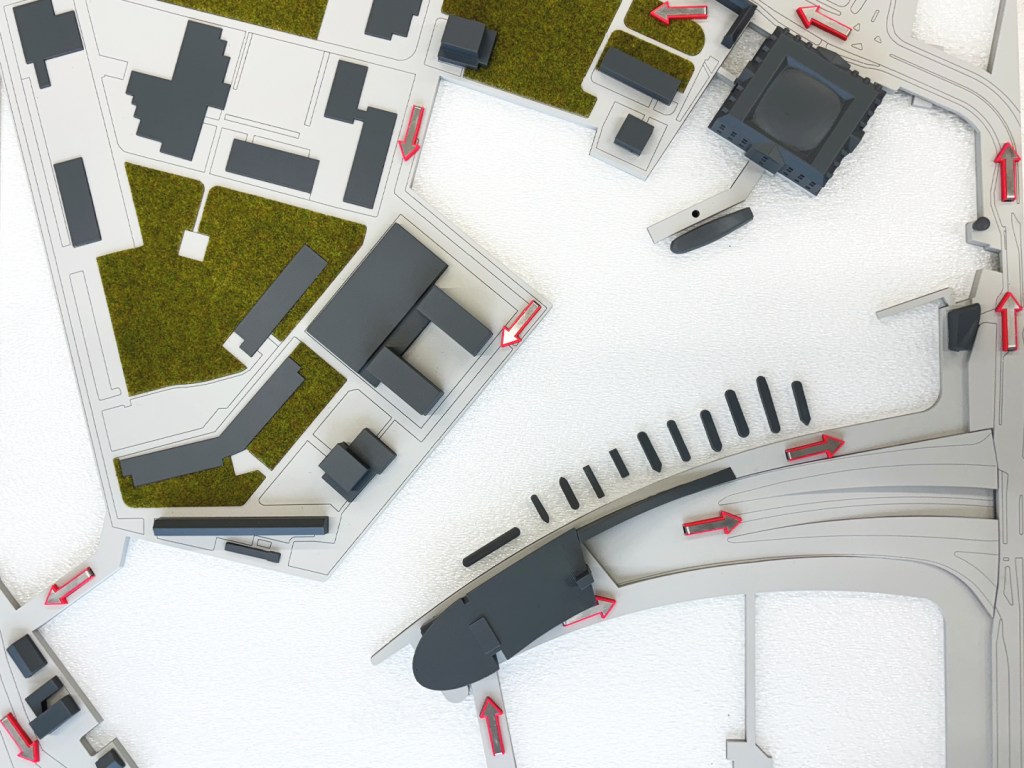
For ARCAM's 2023 theme, "Architecture for Everyone," the organization undertook a transformative project to enhance the accessibility of their exhibition gallery. Invited by Studio KU+ we contributed to this initiative by creating a series of tactile maquettes. These models are designed to offer a multisensory experience of the building’s architecture, with a special focus on accommodating visually impaired individuals. Our work involved developing two models that integrate textures, materials, audio elements, and colors to provide an immersive and inclusive understanding of the space and its context.
concept model | 1:500, 1:40
materials: MDF wood, acrylic sheet, 3D print (FFF, SLA), stainless steel, mixed media
client: ARCAM
architect: René van Zuuk
collaborators: Studio Ku+, Geluid in Zicht - Hannes Wallrafen, Fiberneering
location: Amsterdam, 2024
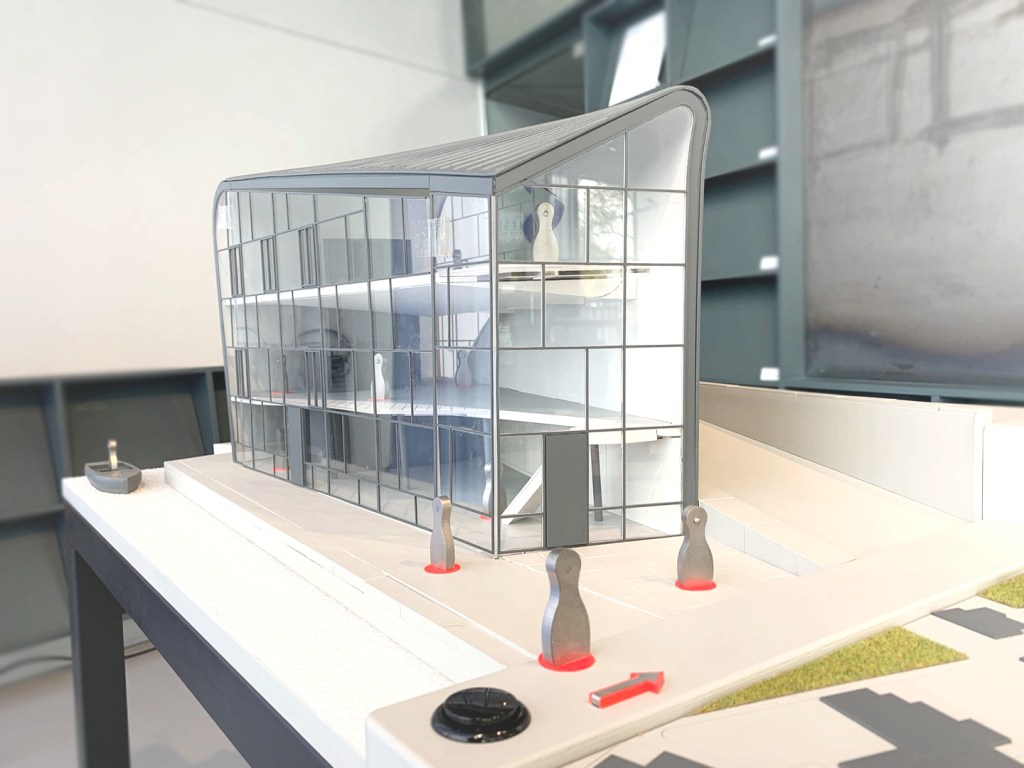
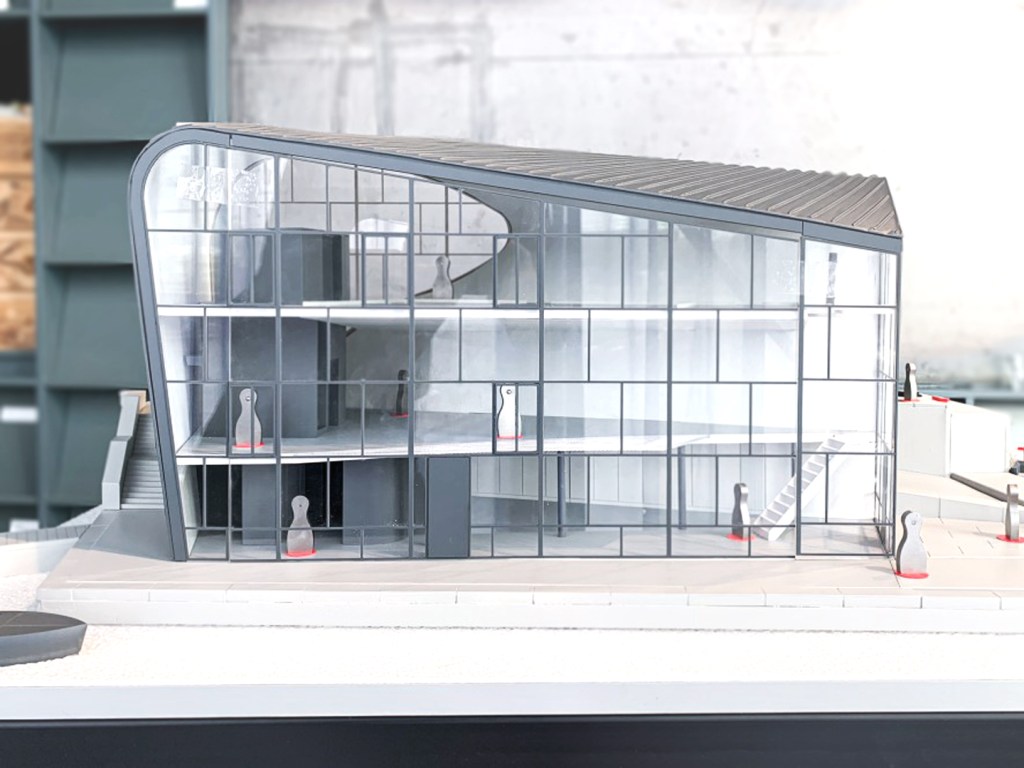
The Architecture Center Amsterdam (ARCAM), designed by René van Zuuk and located on the Osteerdok, is a notable landmark in Amsterdam's skyline. This compact monolithic building has three levels, that are connected vertically by a mixed-used core and visually linked by voids and mesh floors, that make all the spaces feel like they comprise a much larger entity.

While traditional architectural models emphasize visual elements, in this case we wanted to highlight and enhance the tactile and textural aspects of ARCAM. The unique volume is characterized by its aluminum skin that wraps around the three floors and creates this simple yet intricate texture with the joints between the different plates. To accurately capture this complexity, already on a digital fabrication phase the elements' scale and dimensions, including their complex joinery and connections, had to be given a high level of precision and attention. SLA 3D printing gave us the opportunity to create precise details of the aluminum skin, its patterns and shape. Using acrylic facades allowed the viewers to look inside the model, enhancing the overall experience. The North facade specifically was designed to be removable and let the visitor explore the interior elements of the building by touch, providing a multisensory understanding of the space.
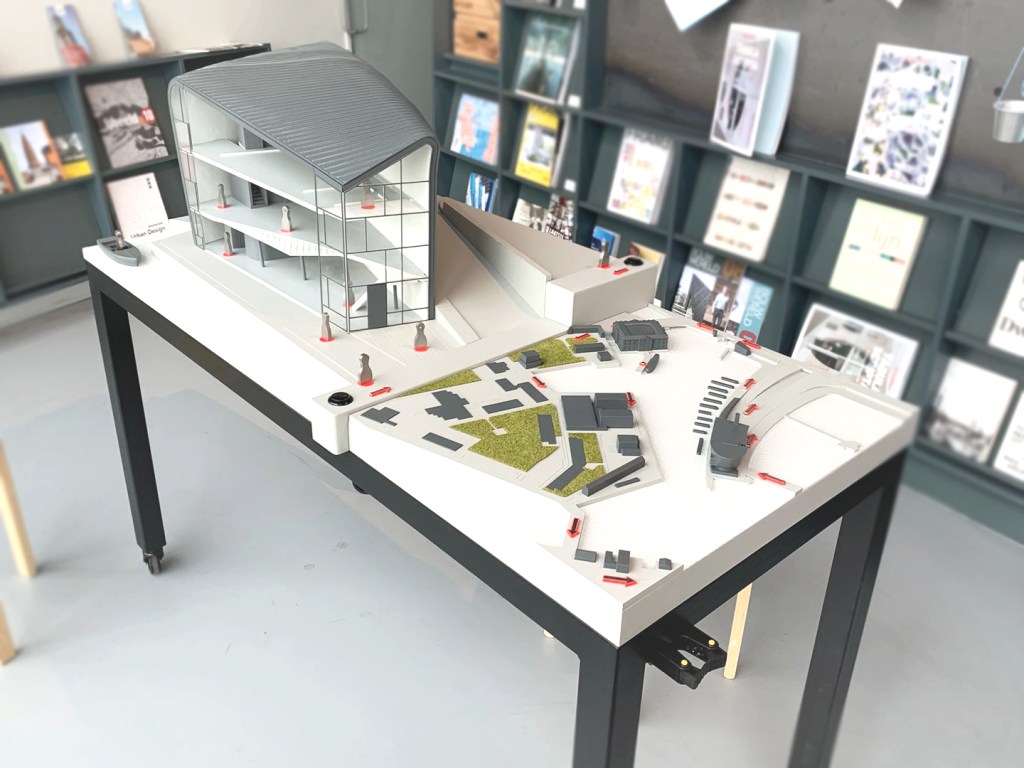
“When reading and seeing is not a given, tangible information becomes an important addition to experiencing a space.”
ARCAM and Hannes Wallrafen
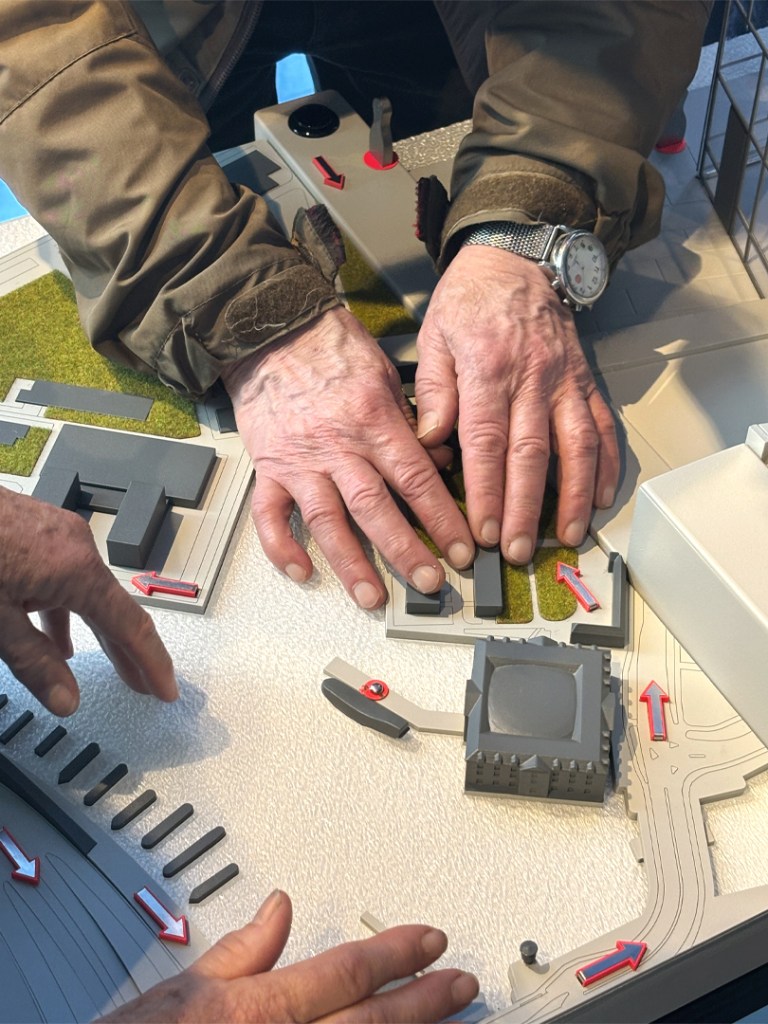
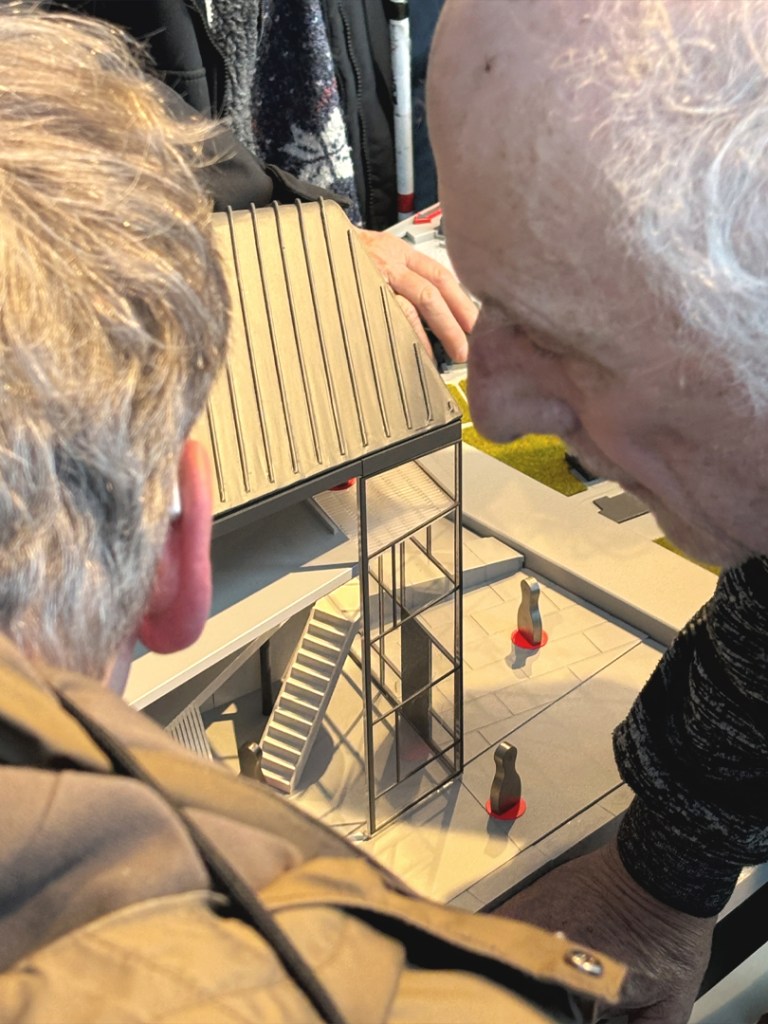
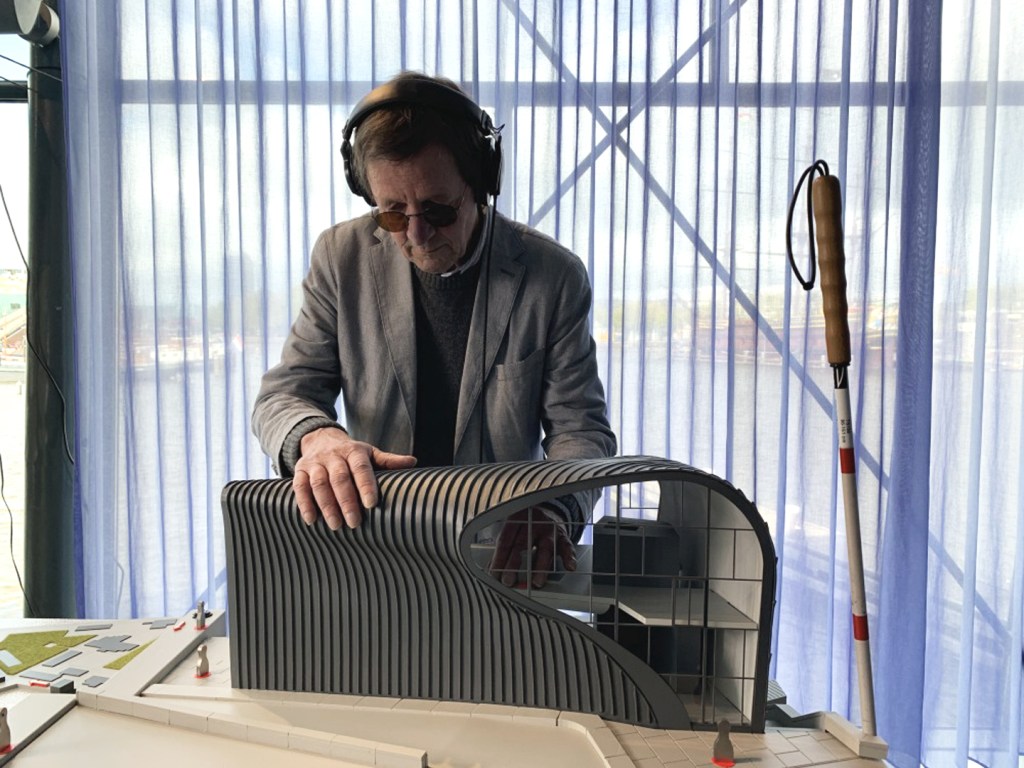
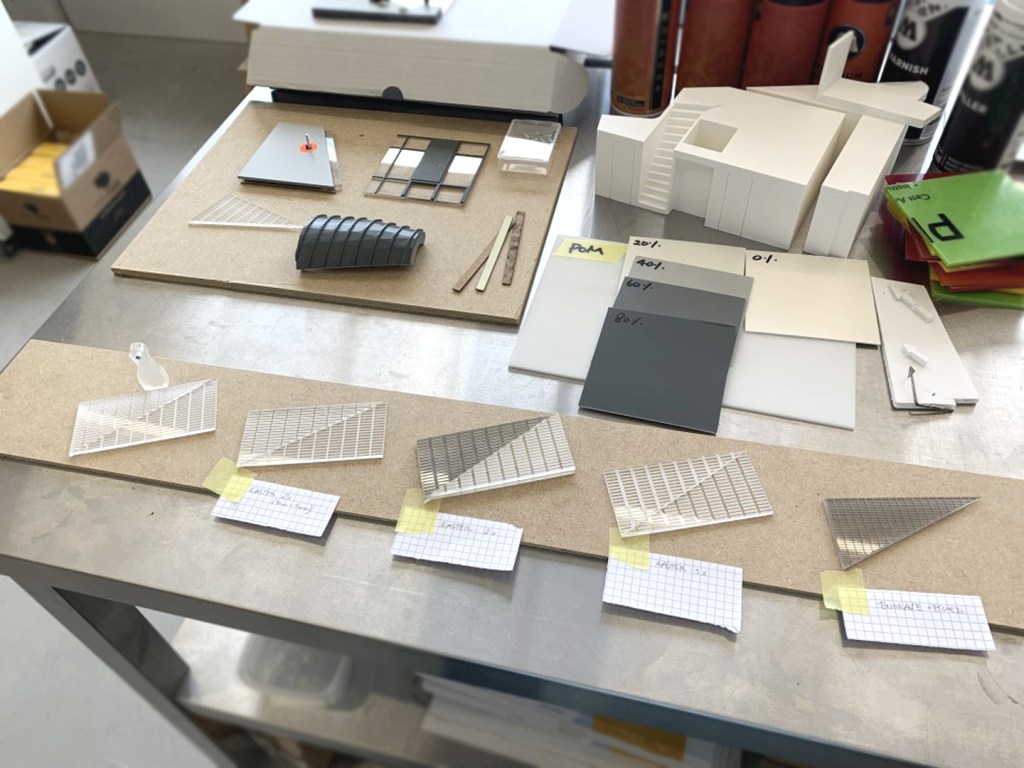
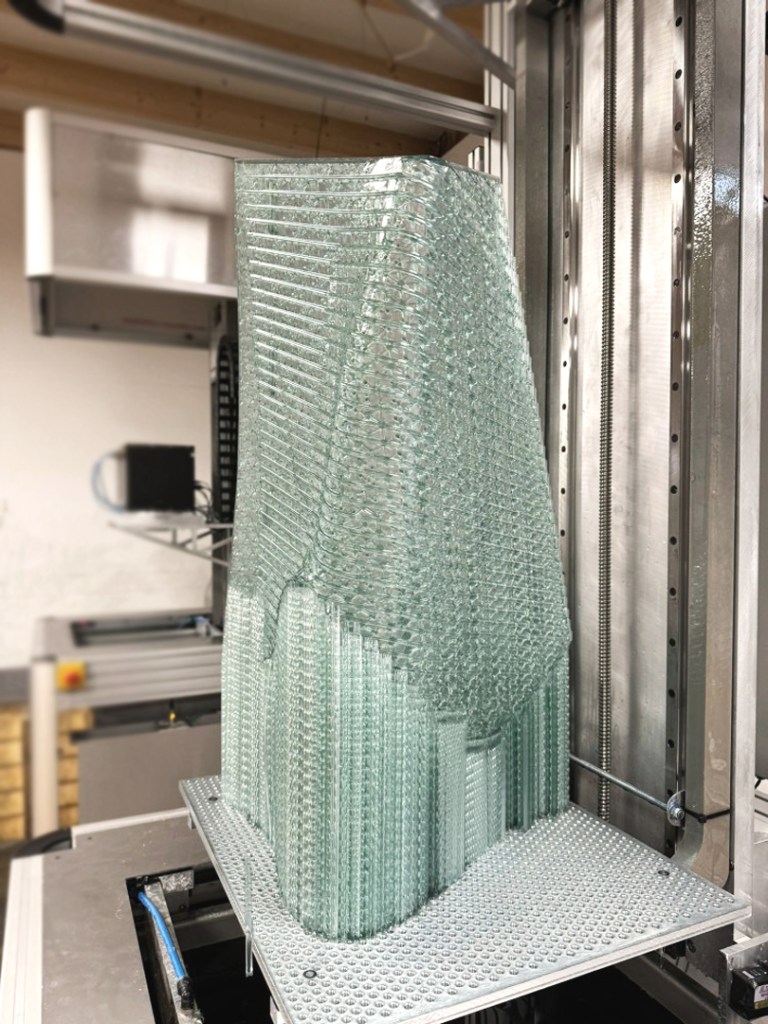
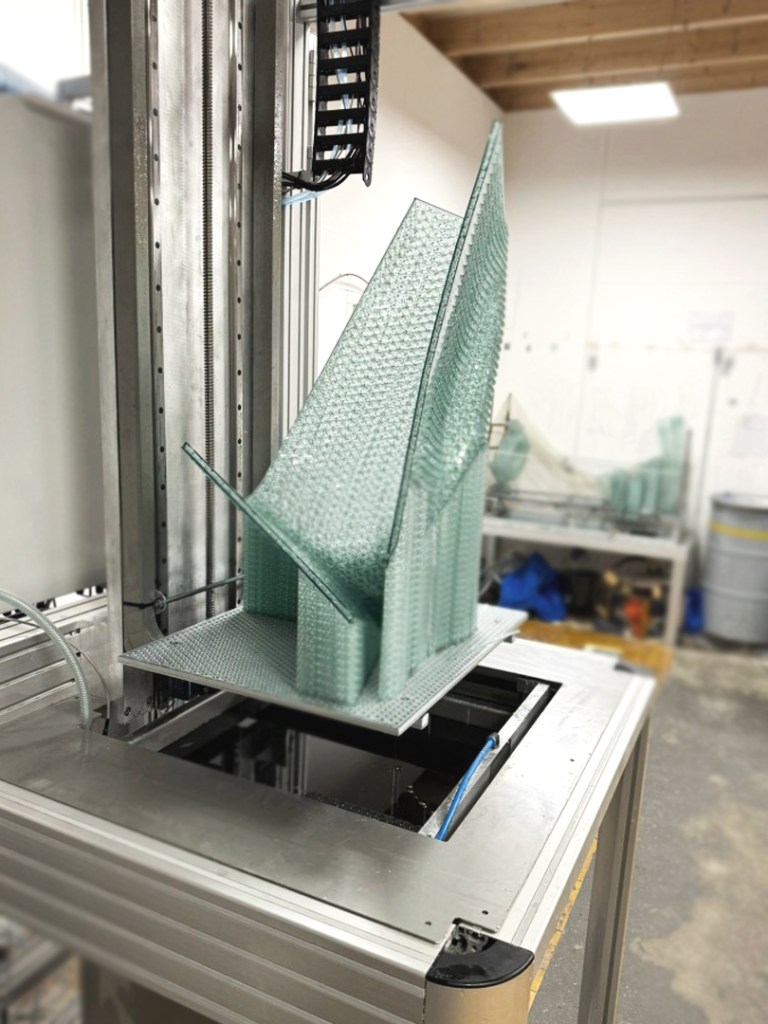
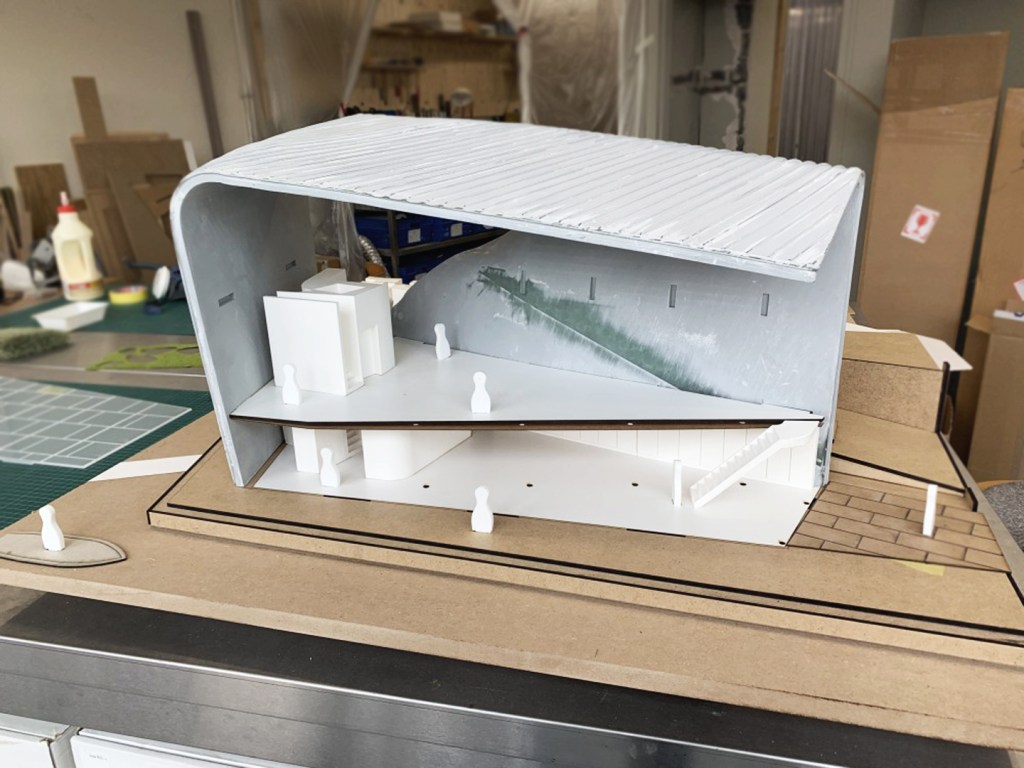
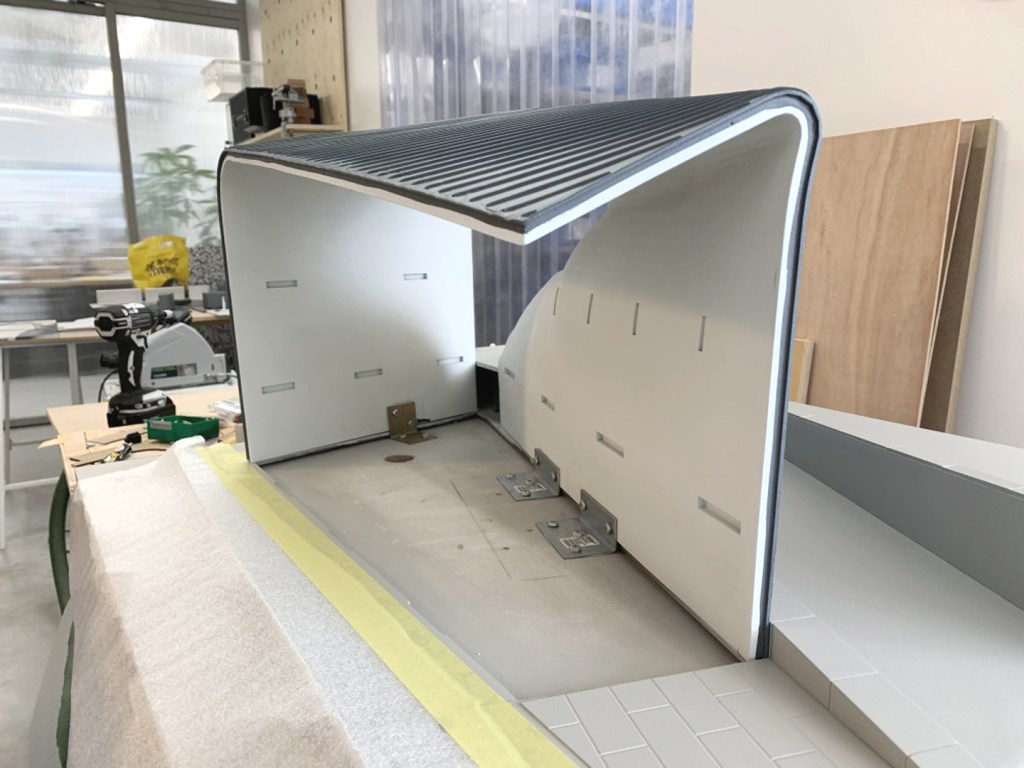
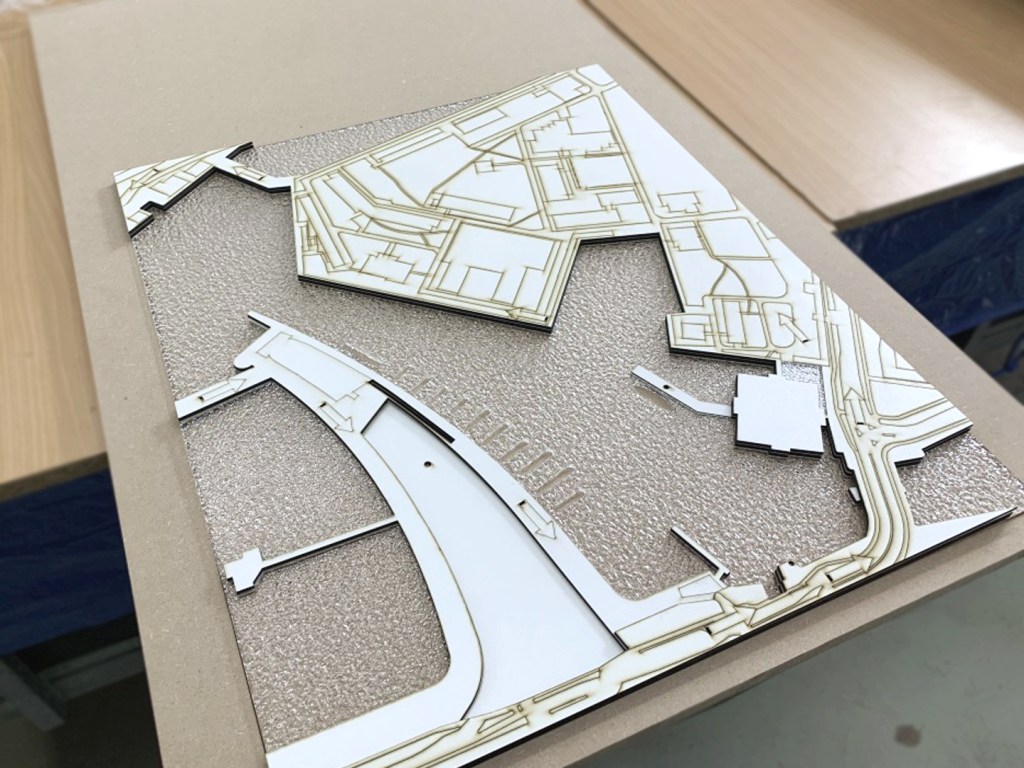
Through a series of studies and close experimental consultations with Hannes, we ultimately choose a "gray scale" model and simplified many details to provide a more balanced tactile experience. Technical elements like cables, buttons, and joints were cleverly integrated into the model's design, hidden within architectural features such as voids and cores. This approach allowed us to present a seamless model where tactile sensations and color contrasts guide users through the building's design.

Seeing by touching; we must work from new perspectives. The tactile and audio model of the building allows you to experience the pavilion using senses other than sight. You can feel, touch and experience the building through a different point of view, while emerged in the informative audio about the Marineterrein, Oosterdok and The National Maritime Museum.

We invite you to visit ARCAM and engage with this architecture sculpture. Experience its detailed representation and appreciate its contribution and social impact in the theme of "Accessibility" in architecture.
 STUDIO BASIC