
Can Lis
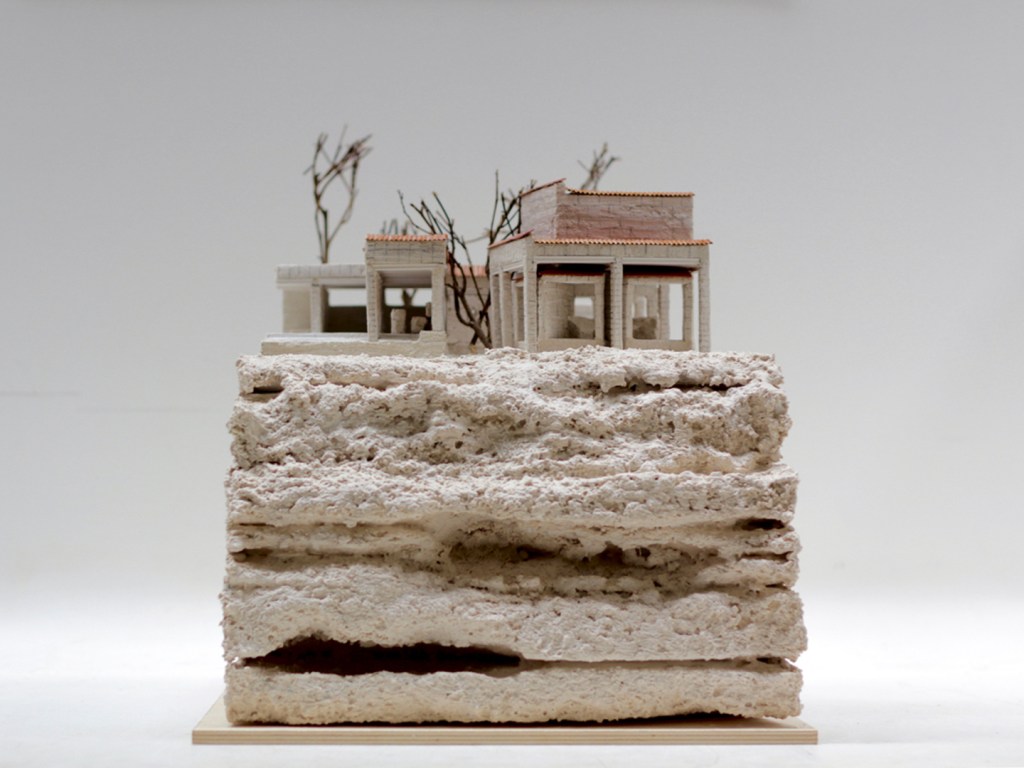
The analysis is based on a series of core themes that encapsulate the essence of the Can Lis house and are integral to understanding its architecture. The interplay among these themes is thought out both conceptually and in the physical construction of the models, artifacts and sculptures, capturing the spirit and nuance of the Mallorcan residence. Space, Time, Matter, Gravity, Light, Silence, Dwelling, Room, Ritual, Memory, Landscape and Place represent the architecture and the fundamental qualities of this house.

This design was showcased at ‘BK City’s street’ in the Faculty of Architecture and the Built Environment at TU Delft
exhibition model | 1:100, 1:20, 1:5, 1:1
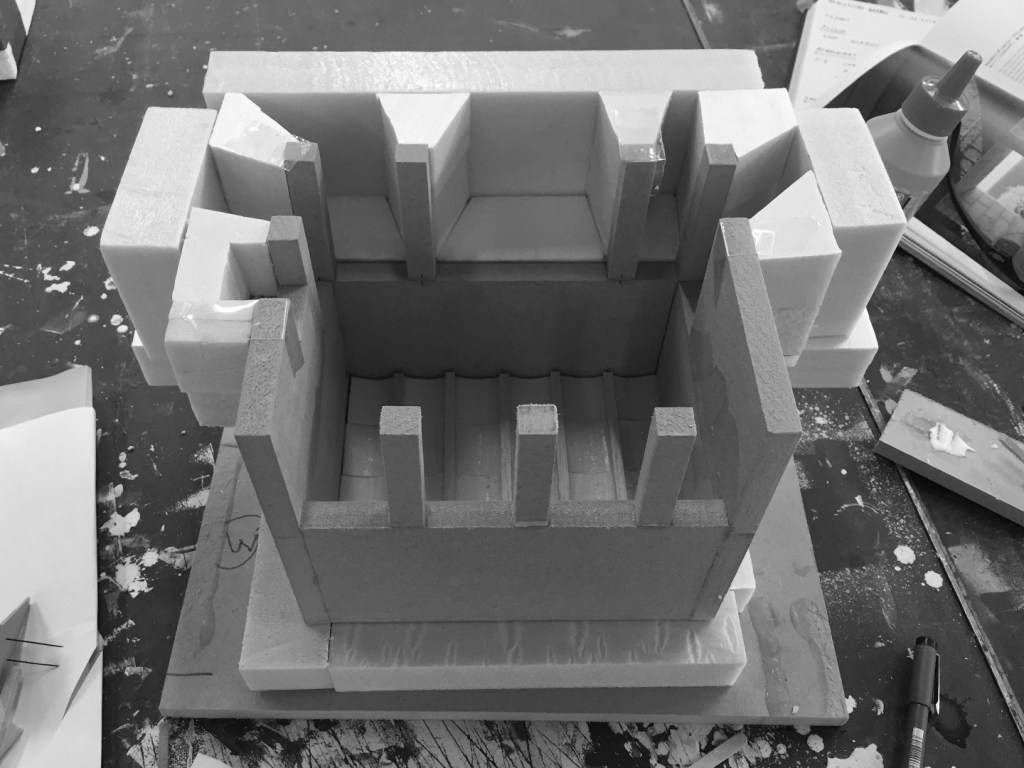
materials: MDF wood, pigmented casted concrete and gypsum, hand molded clay, plaster, mixed media
client: TU Delft - Faculty of Architecture and the Built
architect: Jørn Utzon
collaborators: Adrien Richter, Bianca Eriksson
location: Delft, 2017

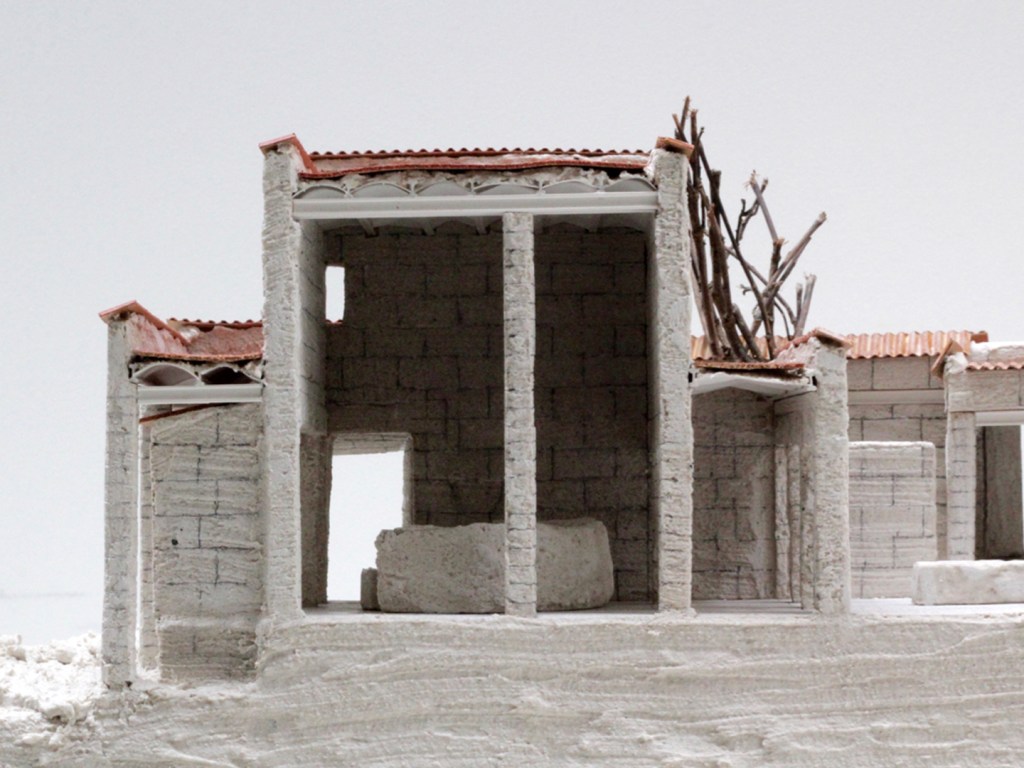
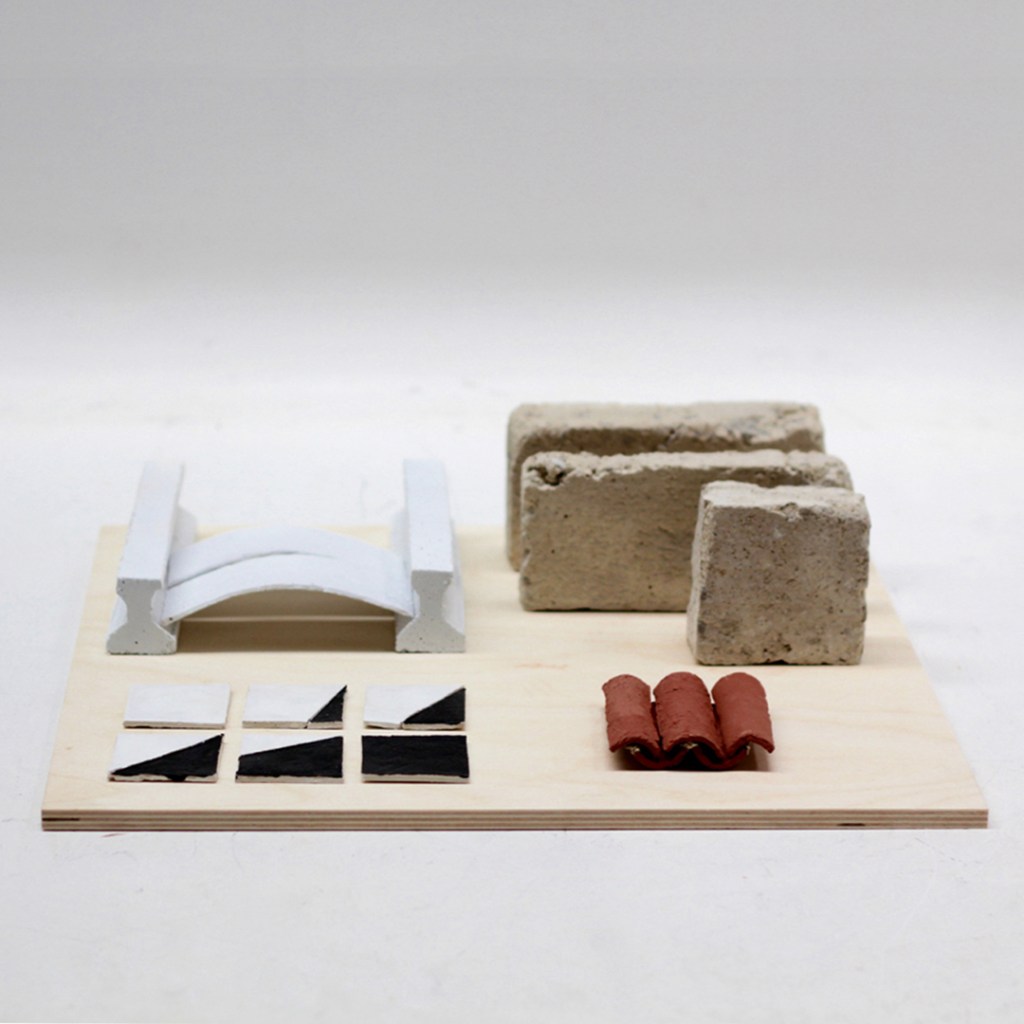
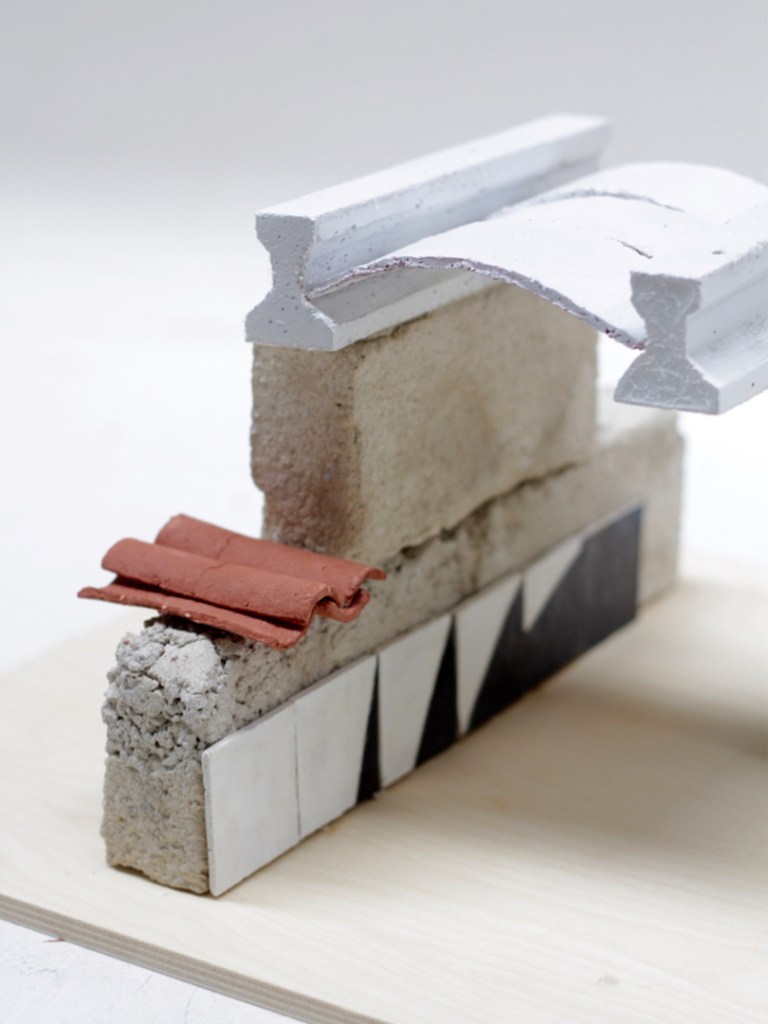
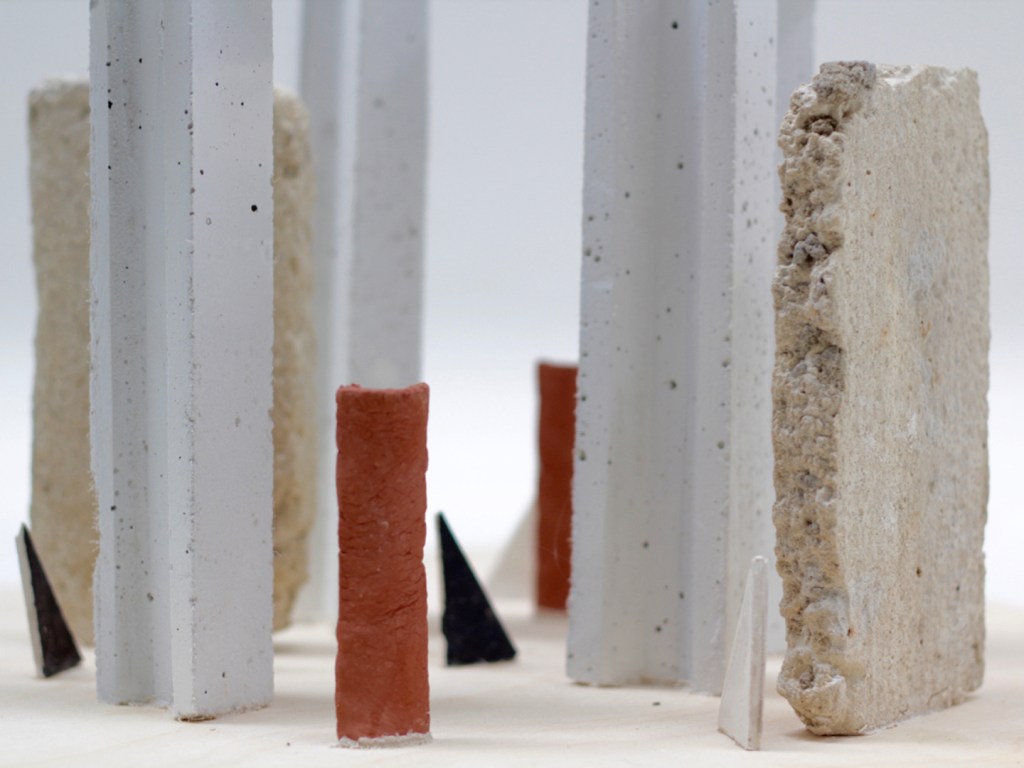
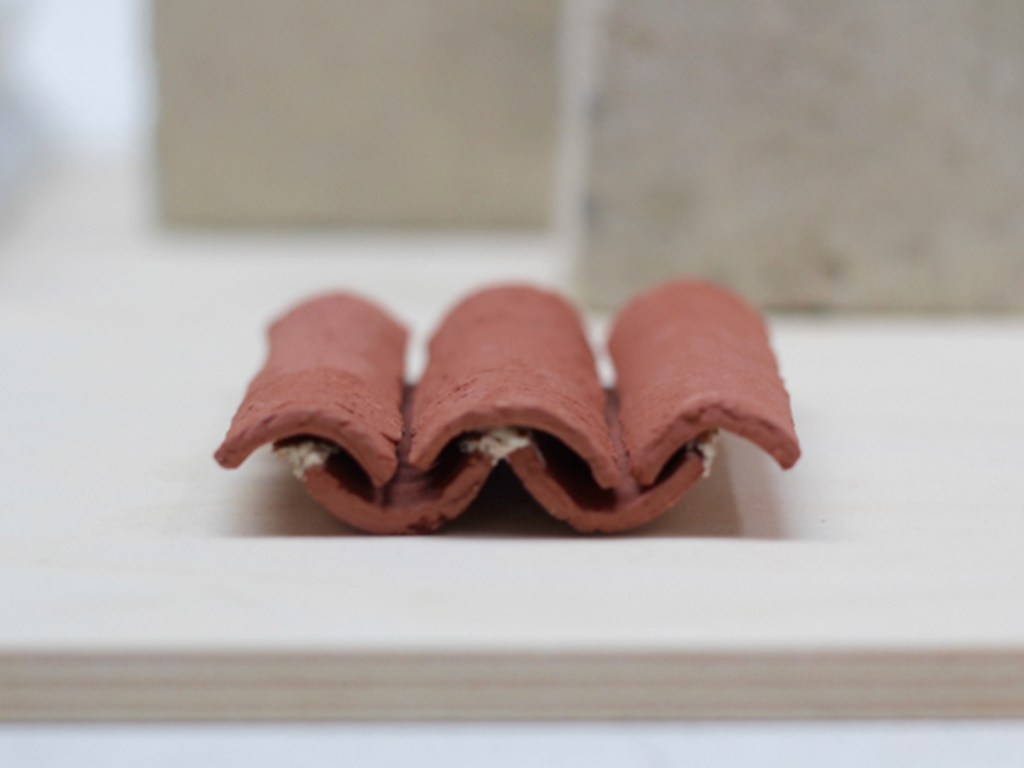
The ingenuity of Can Lis lies in its innovative reinterpretation of traditional Mallorcan building methods and its use of local materials. Built in 1972, after Jørn Utzon chose to settle in Mallorca, the house, perched on a steep cliff overlooking the sea, embodies Utzon's fascination with the courtyard typology. It acts as a unified, organic whole, framing the day-to-day moments of the Utzon family's life. Can Lis can be represented by a few essential elements, both in its structure and its atmosphere. Sandstone blocks, ceramic tiles, concrete I-beams, terracotta shingles, and traditional Catalan ‘bovedillas’ are carefully assembled together to form the villa's distinctive character. At the same time, the poetry of the Spanish landscape can be sensed all throughout the architecture, creating a seamless dialogue between structure and setting.

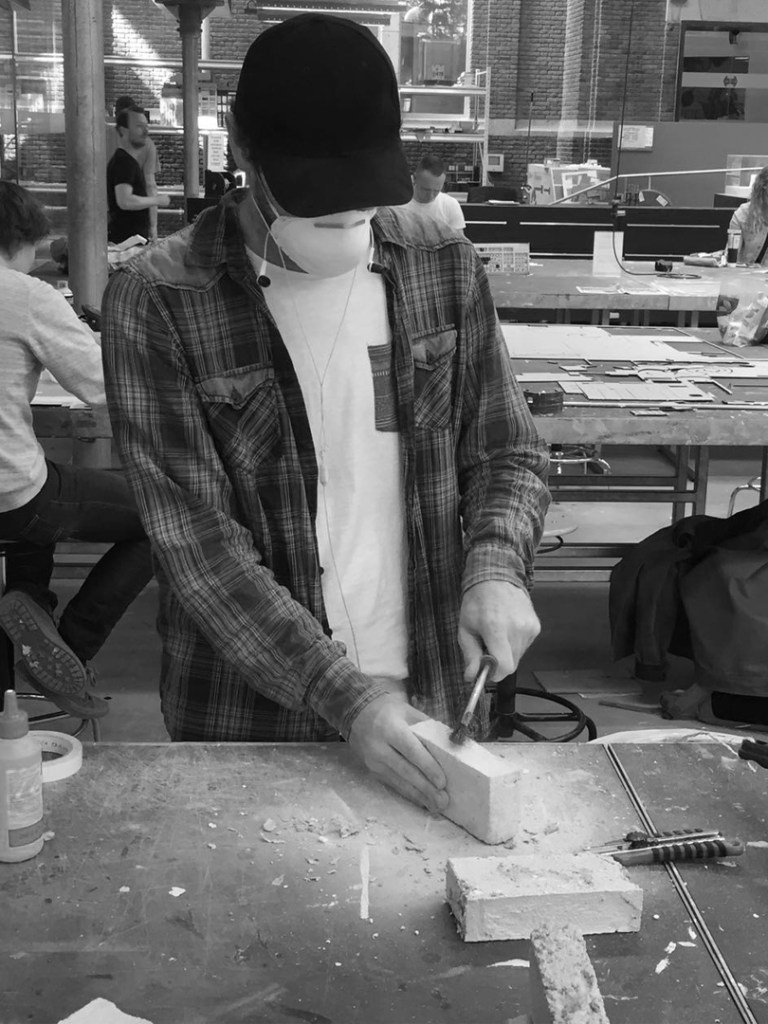
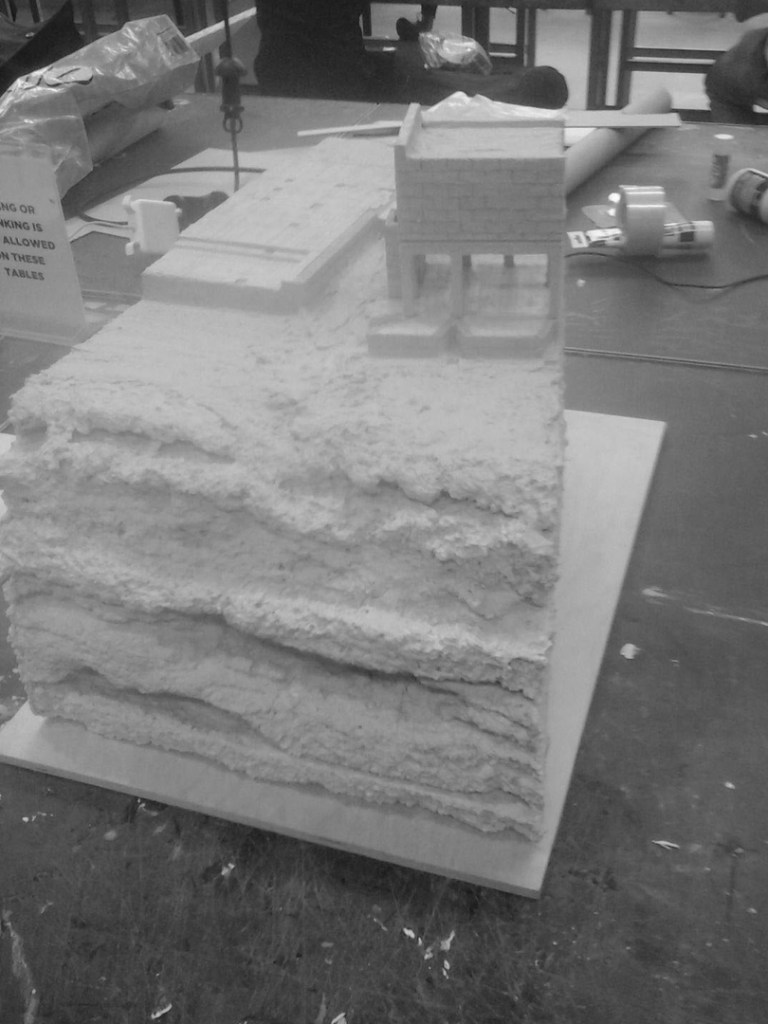
To tell the story of this home, we focused on the materials and techniques that give it life. We aimed to recreate these important ingredients and build a sequence of models and sculptures that guide us through the house, illuminating Mallorcan traditions and Utzon's creative vision.
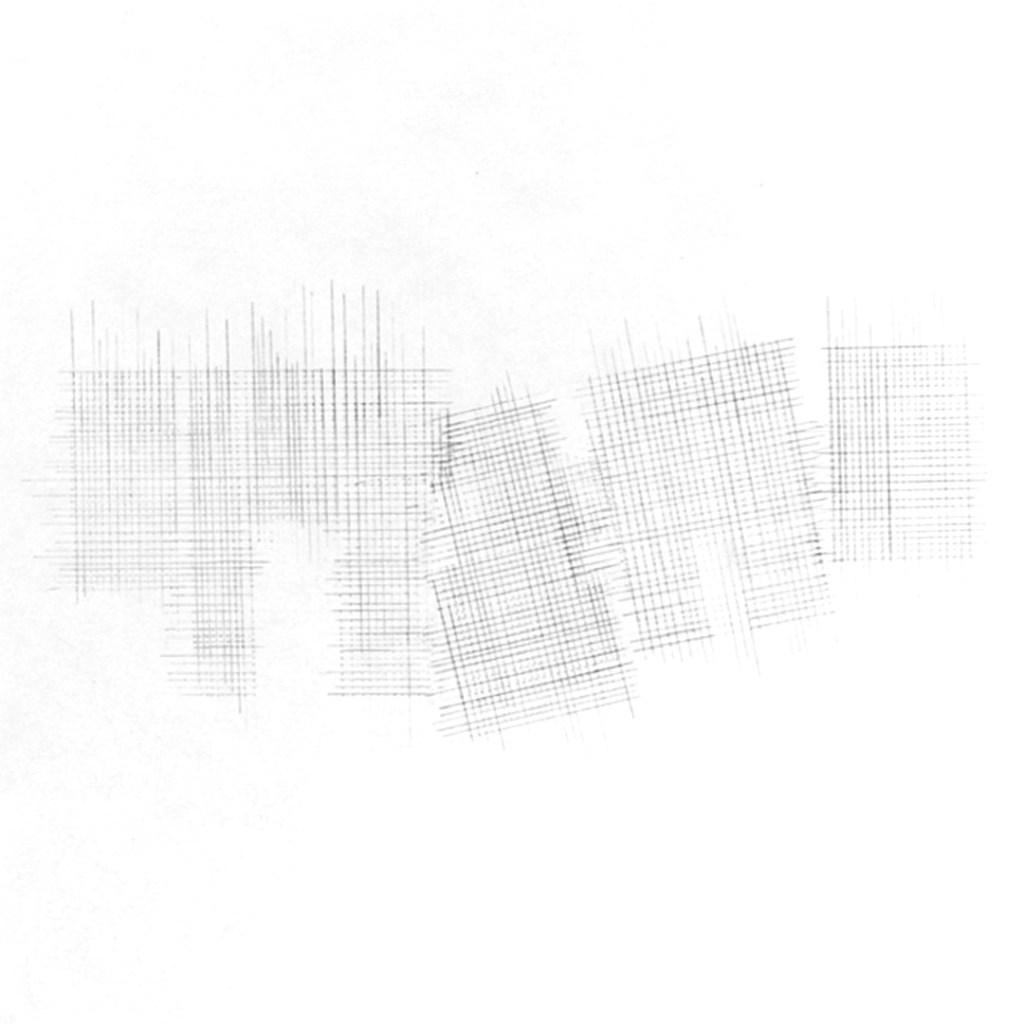
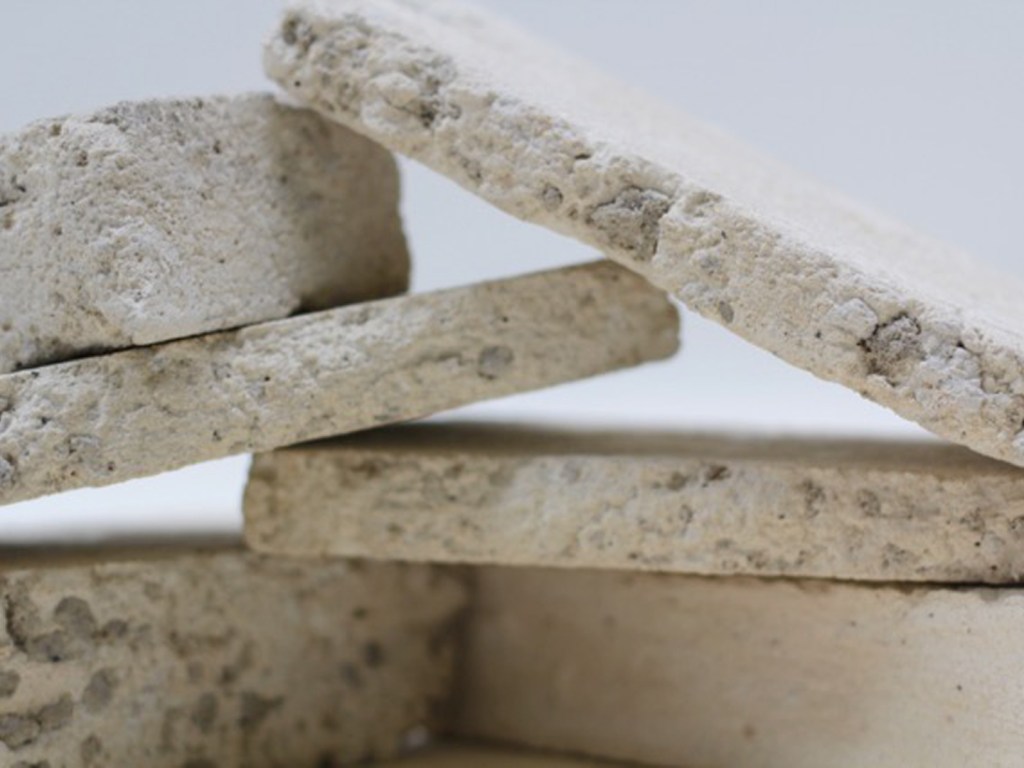
We wanted to create a perfect balance between tradition, material culture and modernity - mirroring the architecture it's representing. The fabrication process of the elements honors island techniques, replicating them wherever possible. The stones convey the ruggedness of the landscape and the texture of the caves beneath the house. The cast concrete I-beams and ‘bovedillas’ should be porous and painted white, to reflect the island's forests and their trunks providing the shelter and shading this house evokes. The seemingly effortless assembly of the matter, and the harmonious relationship with the surroundings, celebrate the Mallorcan construction craftsmanship and detailing.

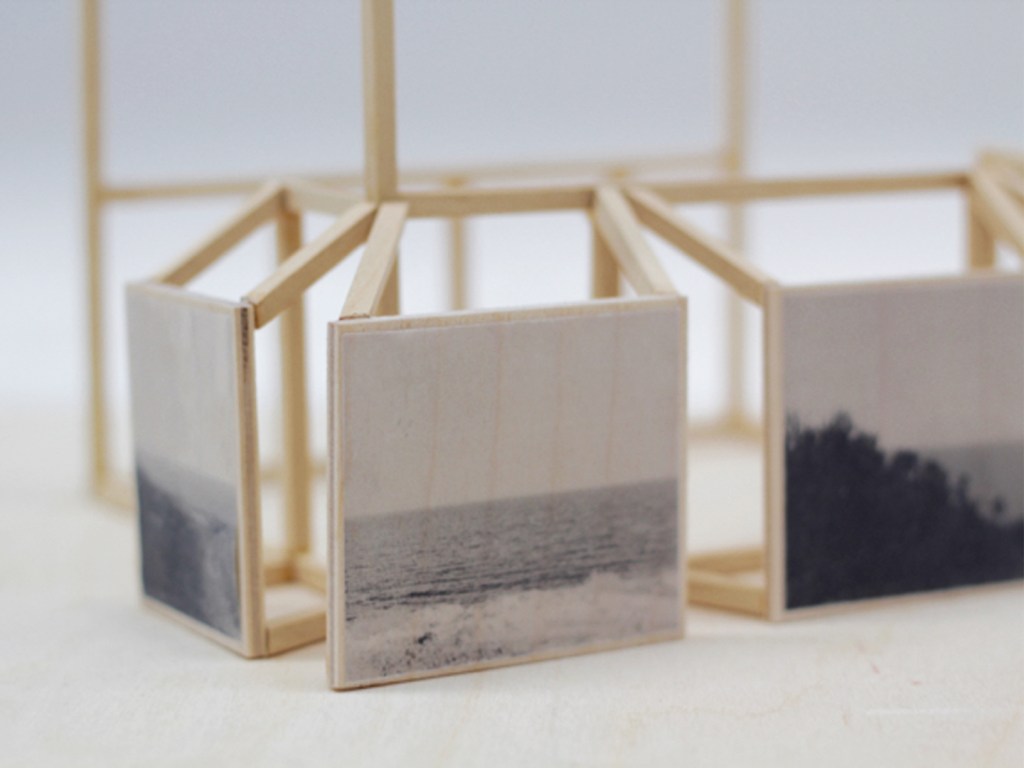
Each separate volume of the house addresses different rituals and is arranged according to the sun’s path. Here, light is not just an element but becomes the very essence of each room. We gave form to the spaces filled with light, carving out built mass to reveal how time and its daily progression shape the architecture. The interplay of small and large openings let the high Mediterranean sun carve its presence into the building, peeking out towards the exterior. To showcase this smart framing between spaces, rooms and the landscape, we created a wooden frame that captures the endless sea.
elements
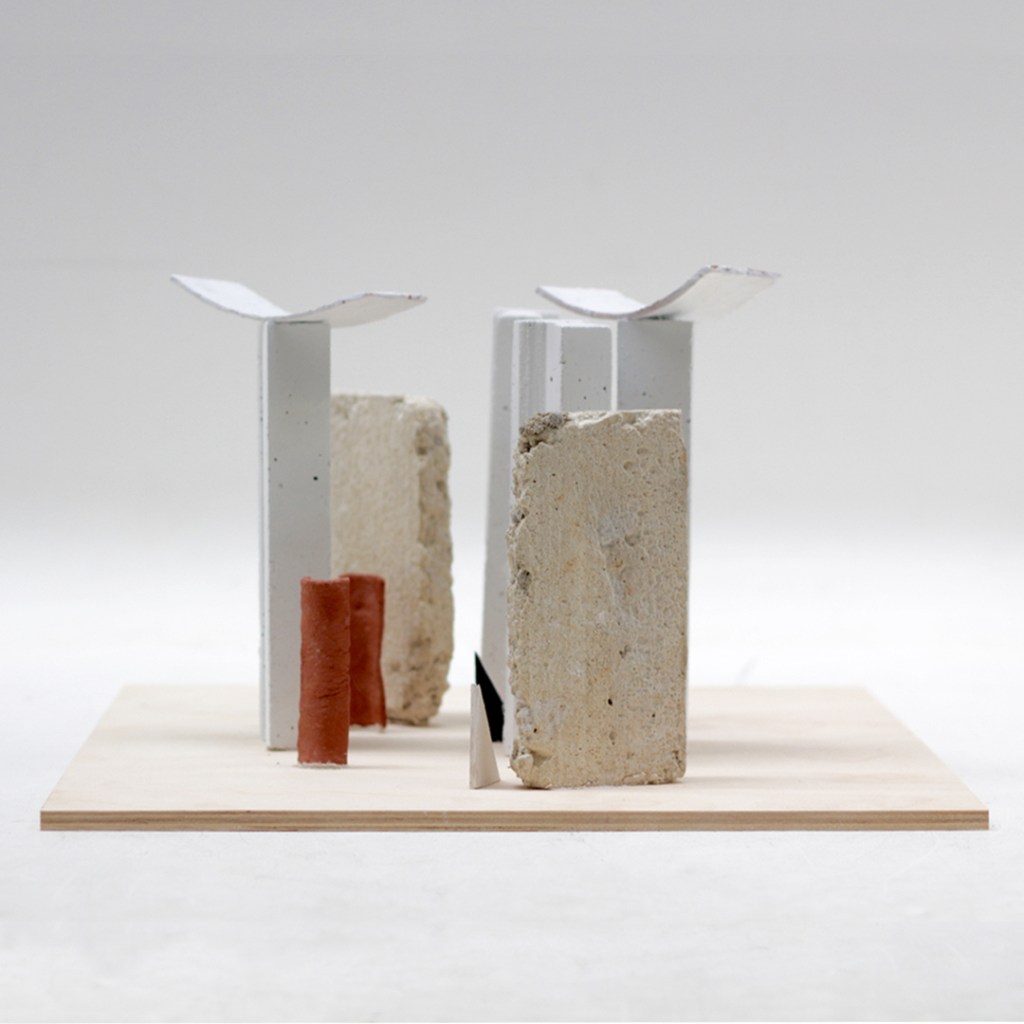
forest
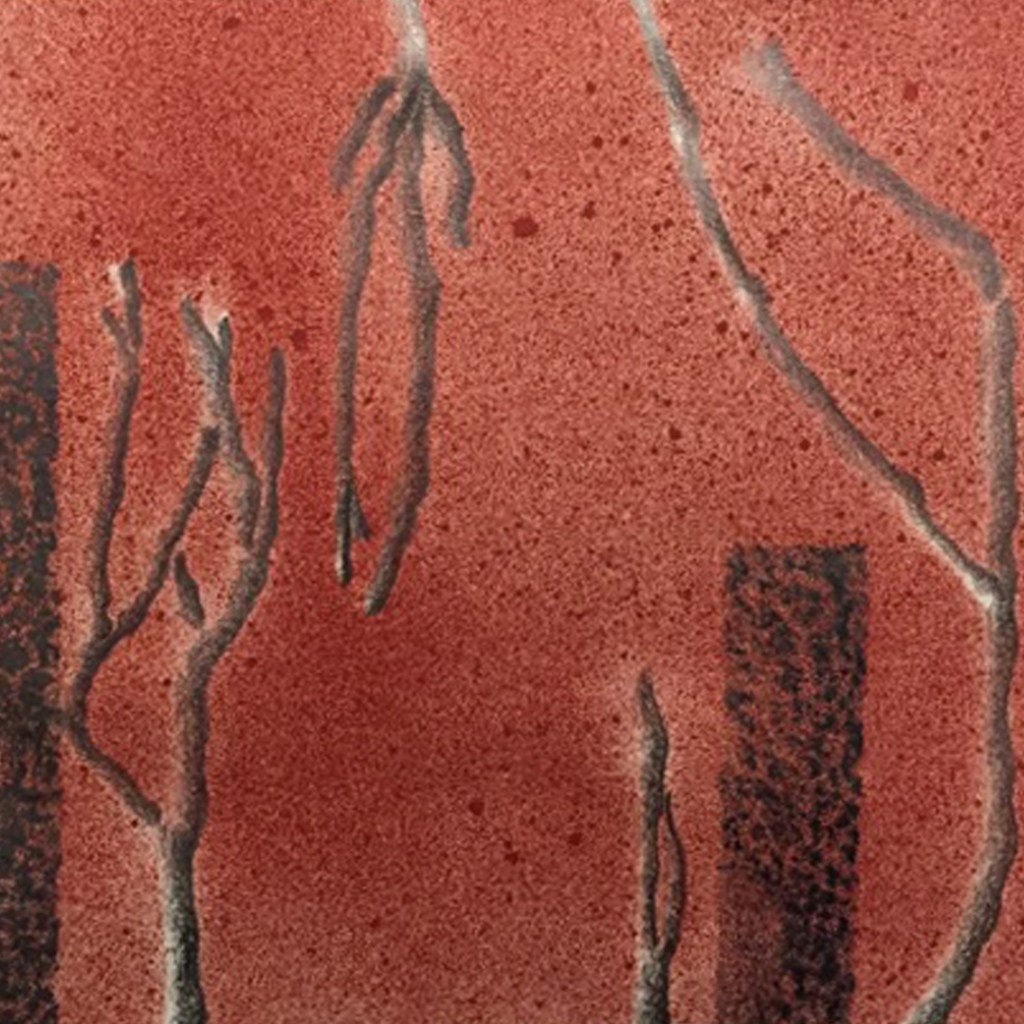
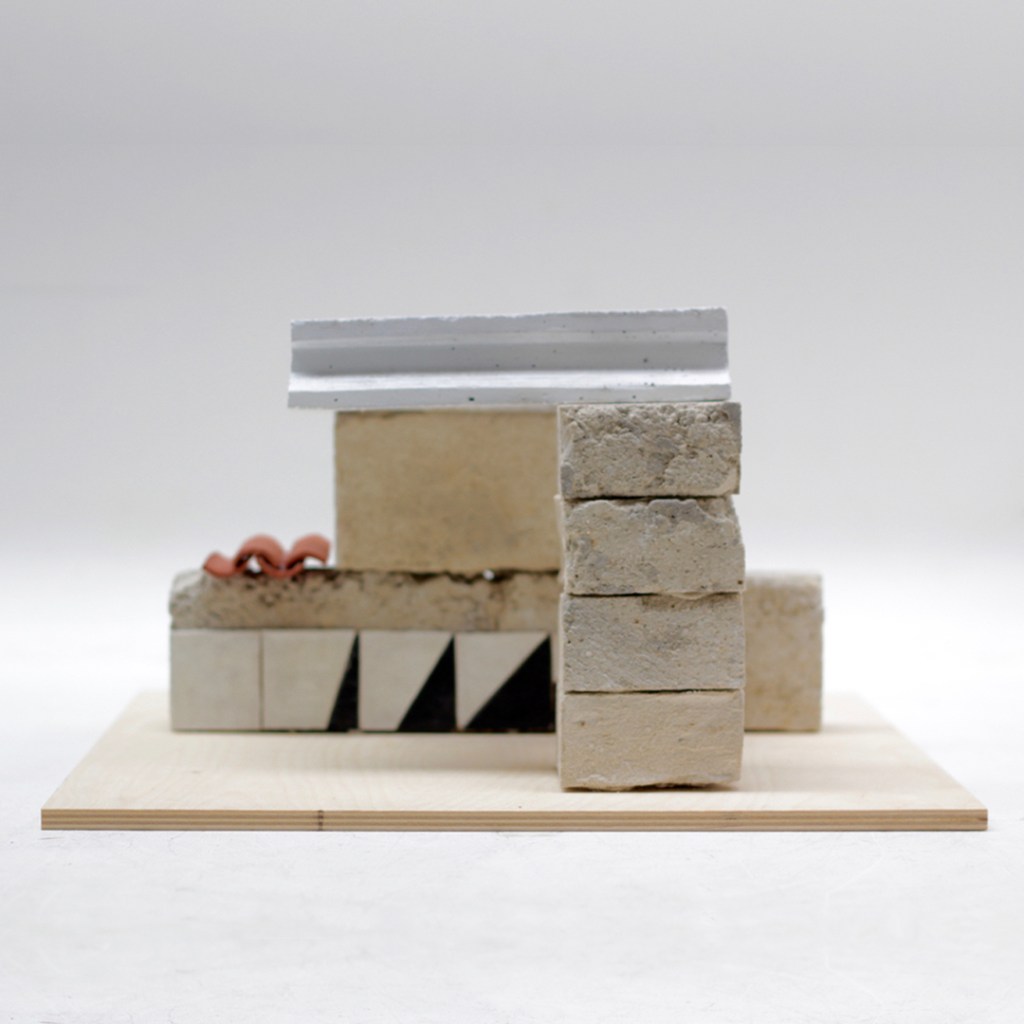
matter
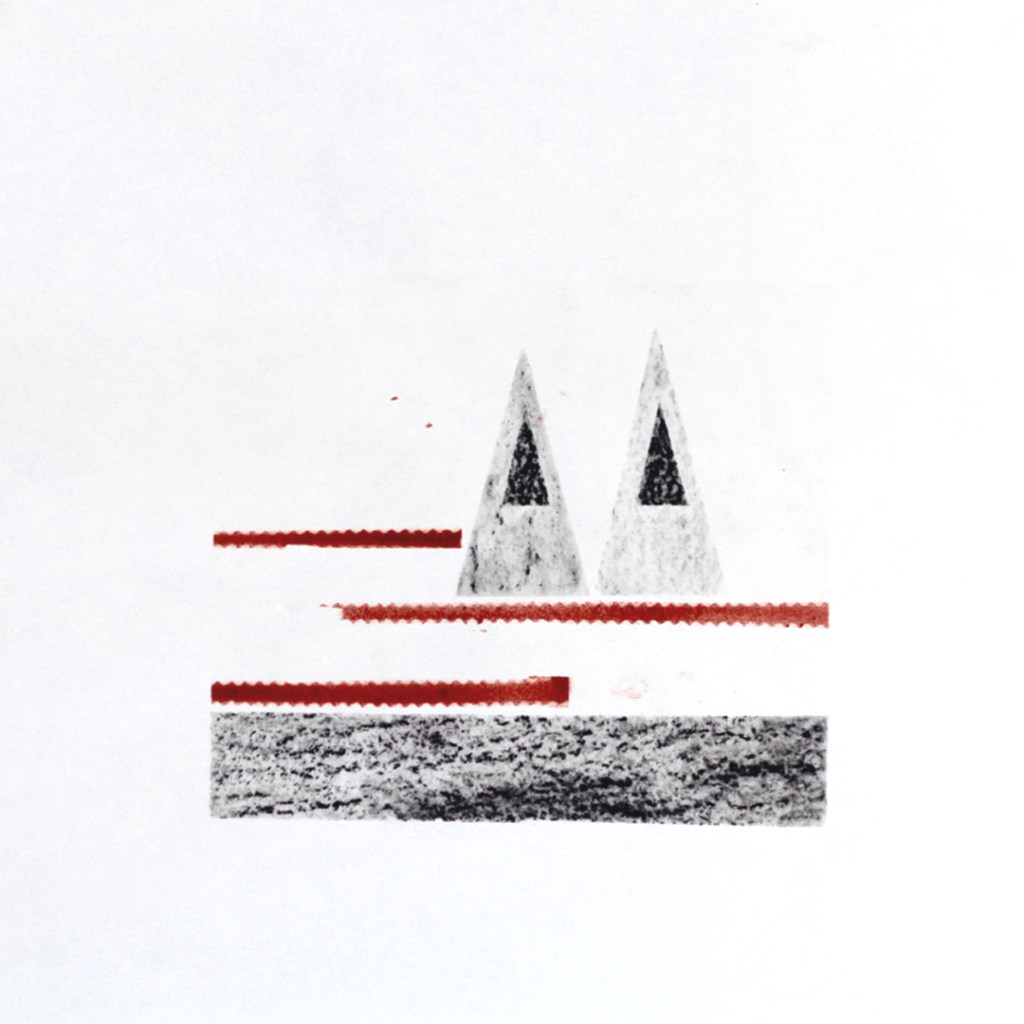
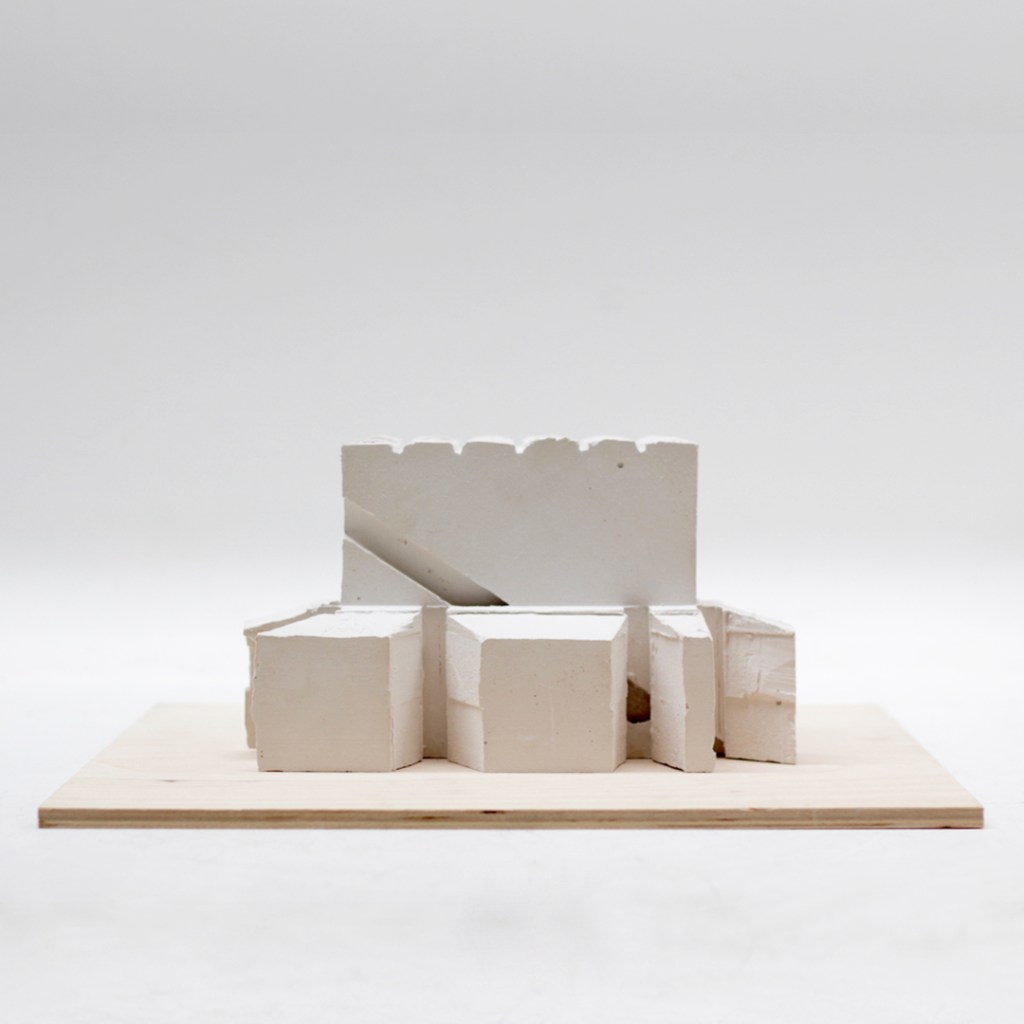
time

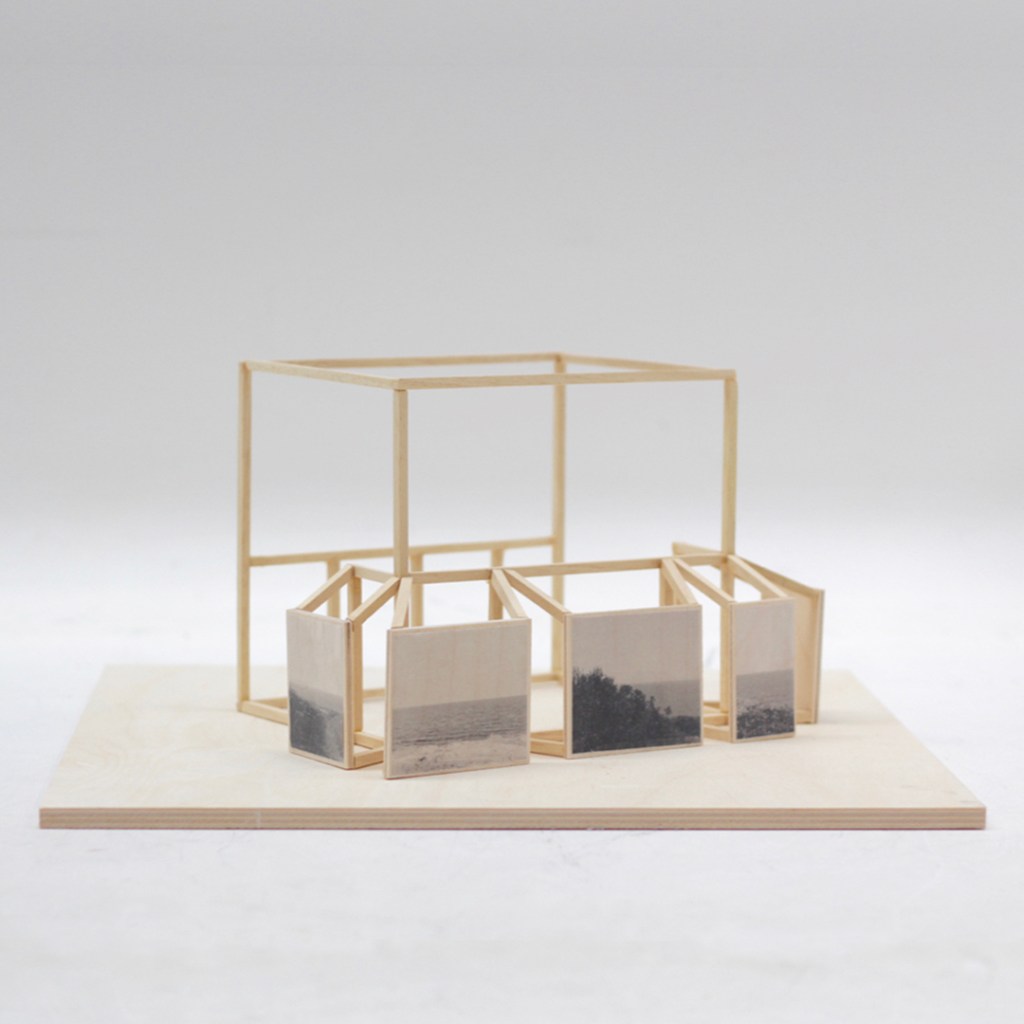
framing
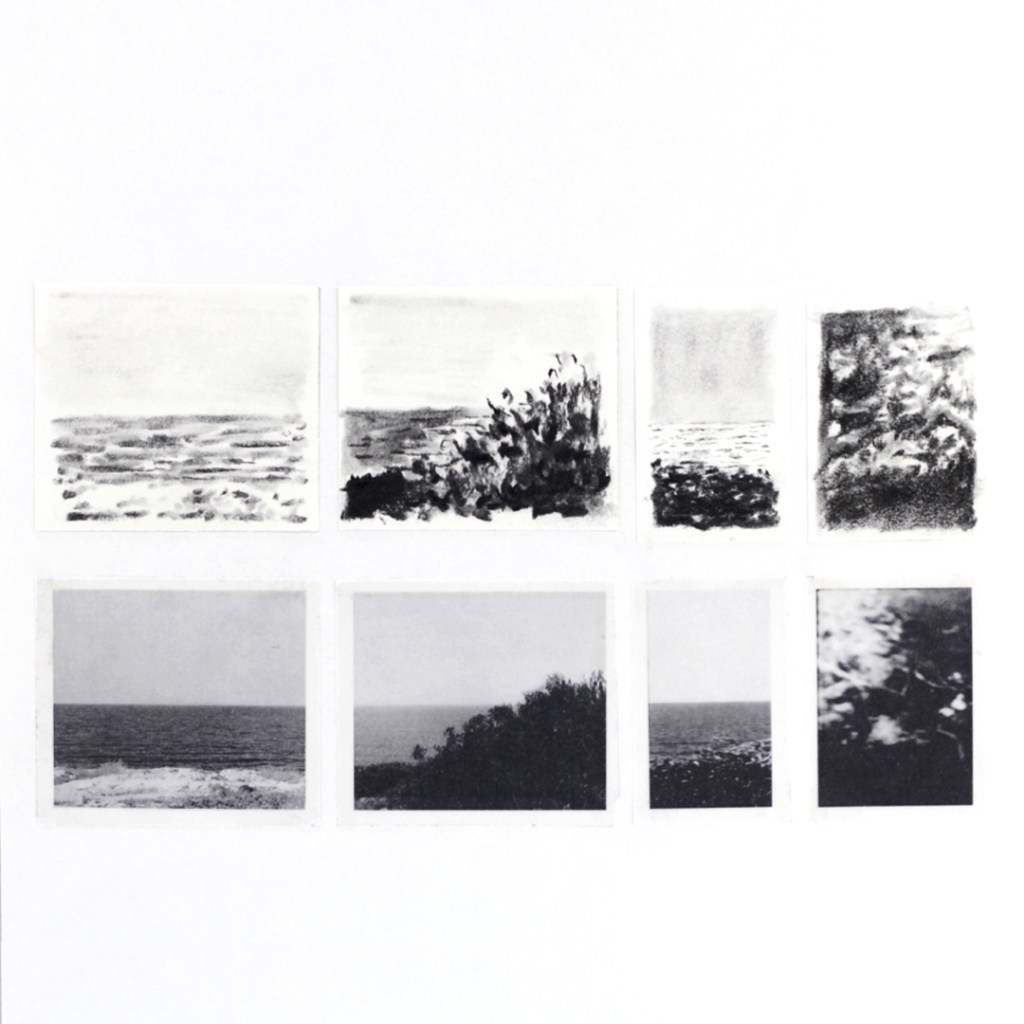
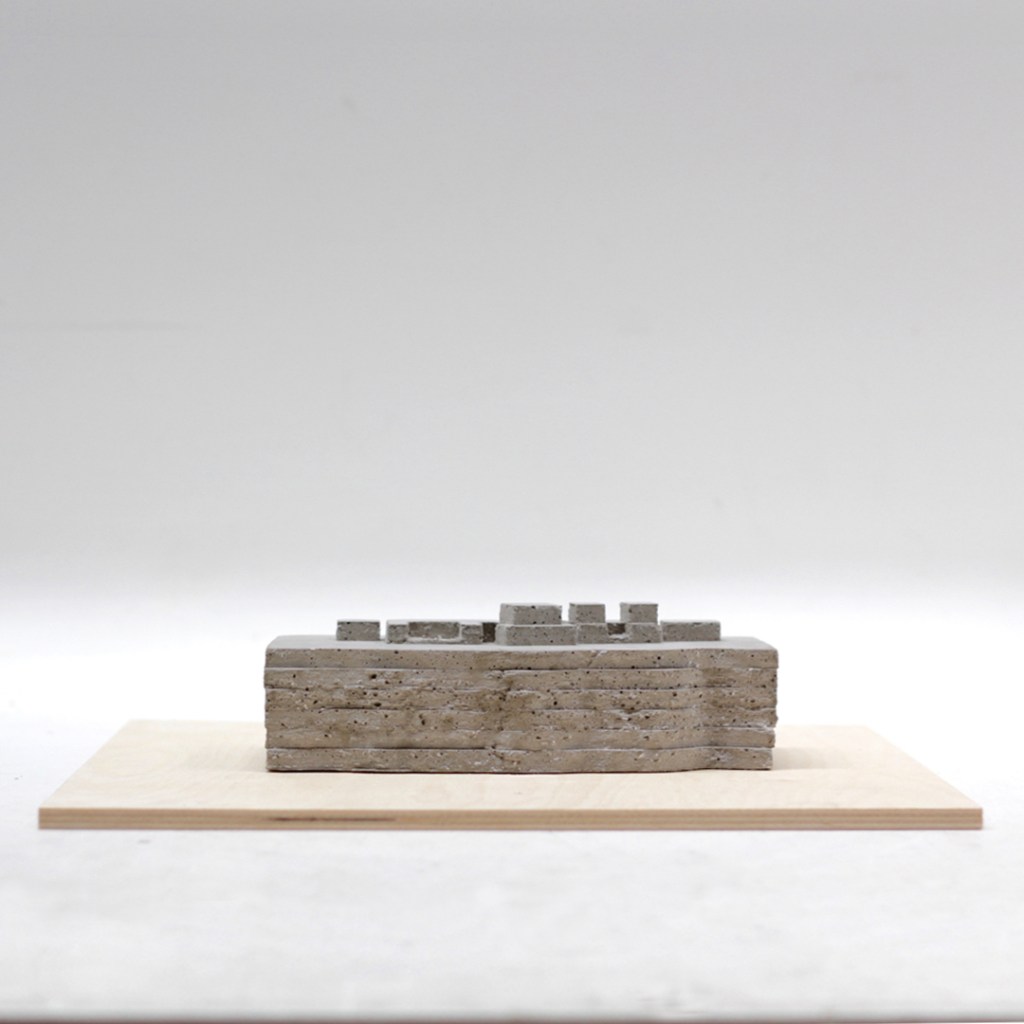
context
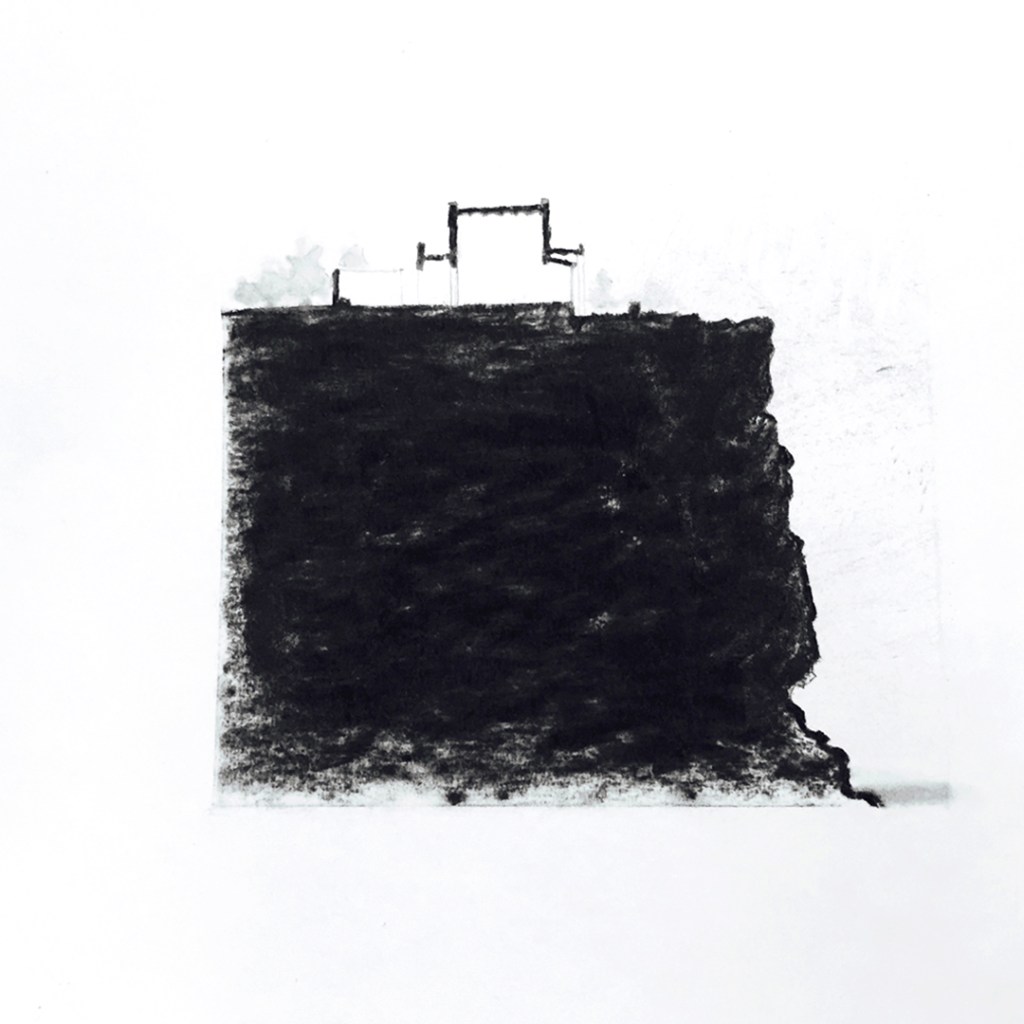
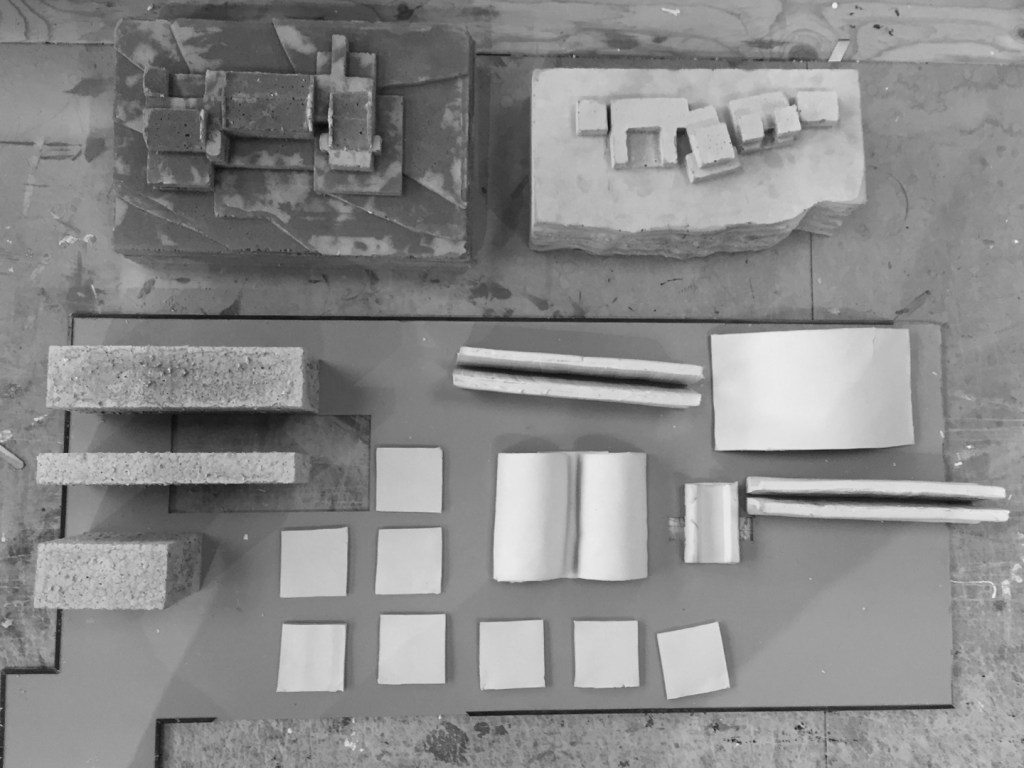

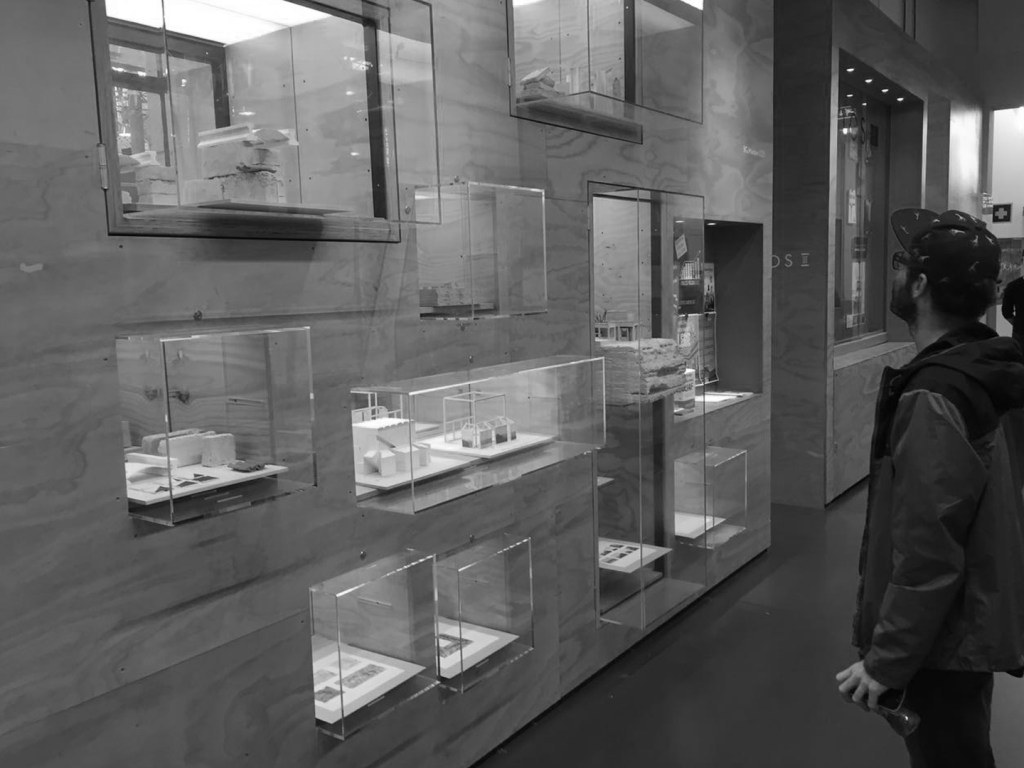
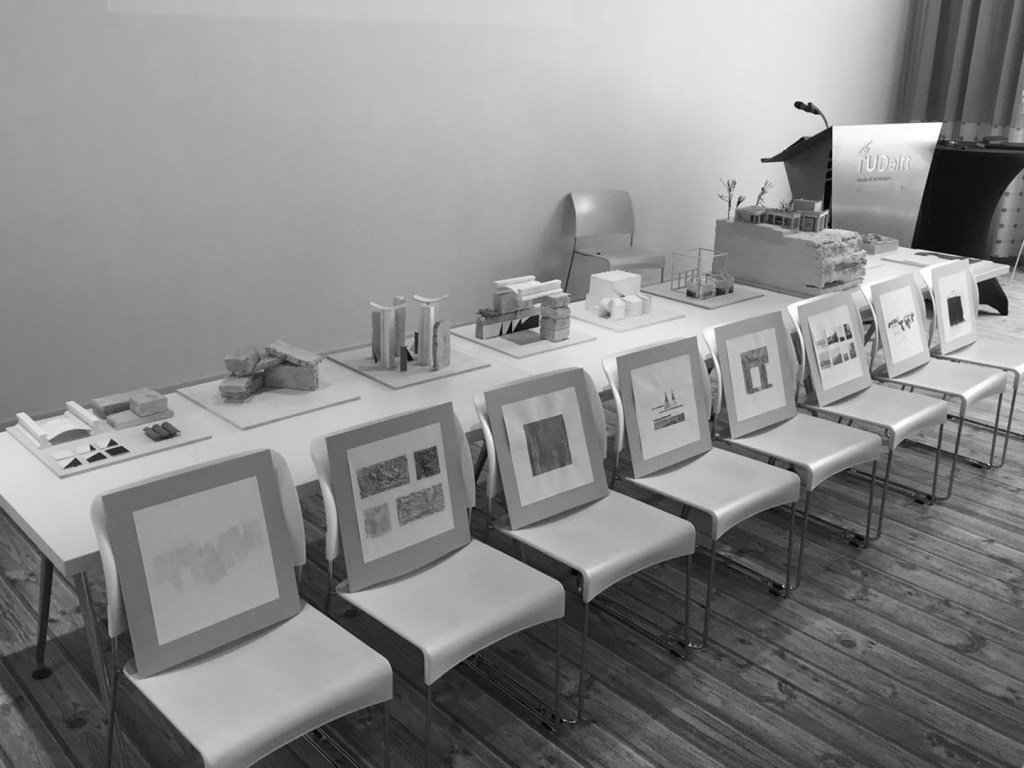
The design of Can Lis revolves meticulously around the family's rituals and daily routines, creating an almost choreographic way of living. Time and place are defined by the sun, prompting continual transitions between inside and outside, constantly influencing the perception of interior and exterior space, blurring their border and naturally slowing down the pace of life. This collection of sculptures and models aims to evoke the sensation of stripping down a building and highlighting its intricacy and poetry, inviting the user to step back, reflect and analyze space.
Jørn Utzon’s ideology centered on this very phenomenon – that architecture is not an external form: it is primarily the frame enclosing a collection of ritualized events.
Utzon Foundation
 STUDIO BASIC