
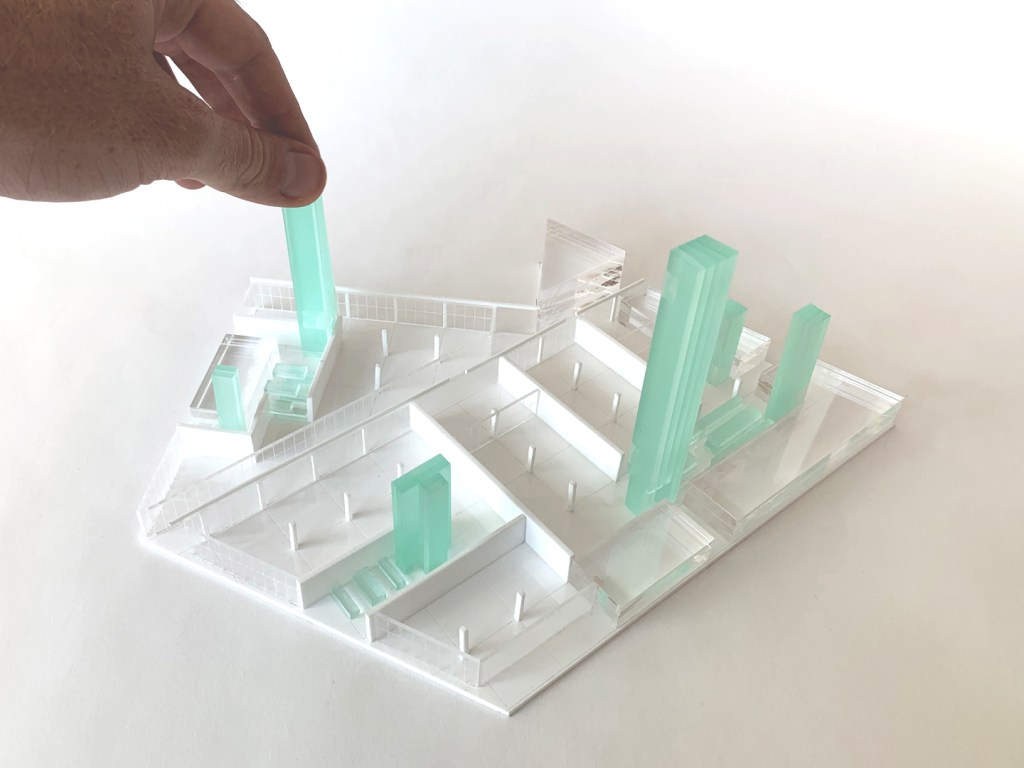
Hamerkwartier
Located in the Hamerblok in Amsterdam Noord, this project designed by BETA office for architecture and the city aimed to test and (dis)prove different guidelines and typologies for the site. The design revolved around an adaptable and thought out grid that smartly incorporated companies, commercial spaces and housing and architecturally mixed industrial building with contemporary design.
model created during a tenure at BETA office for architecture and the city. Ownership and leadership credited to the firm.

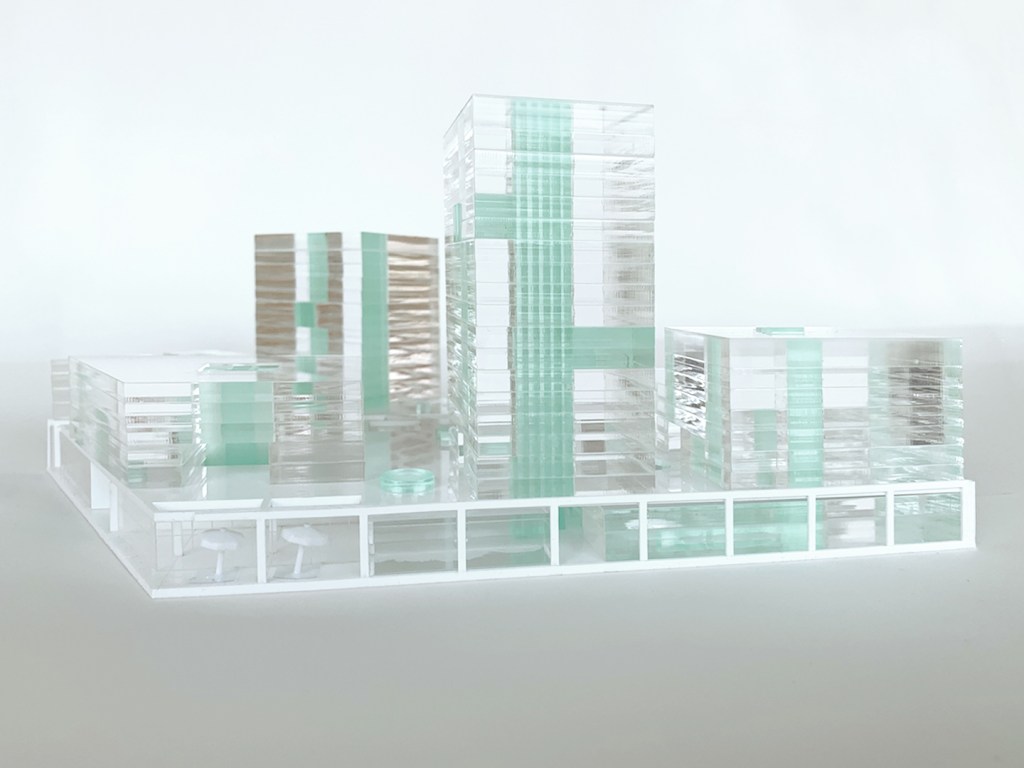
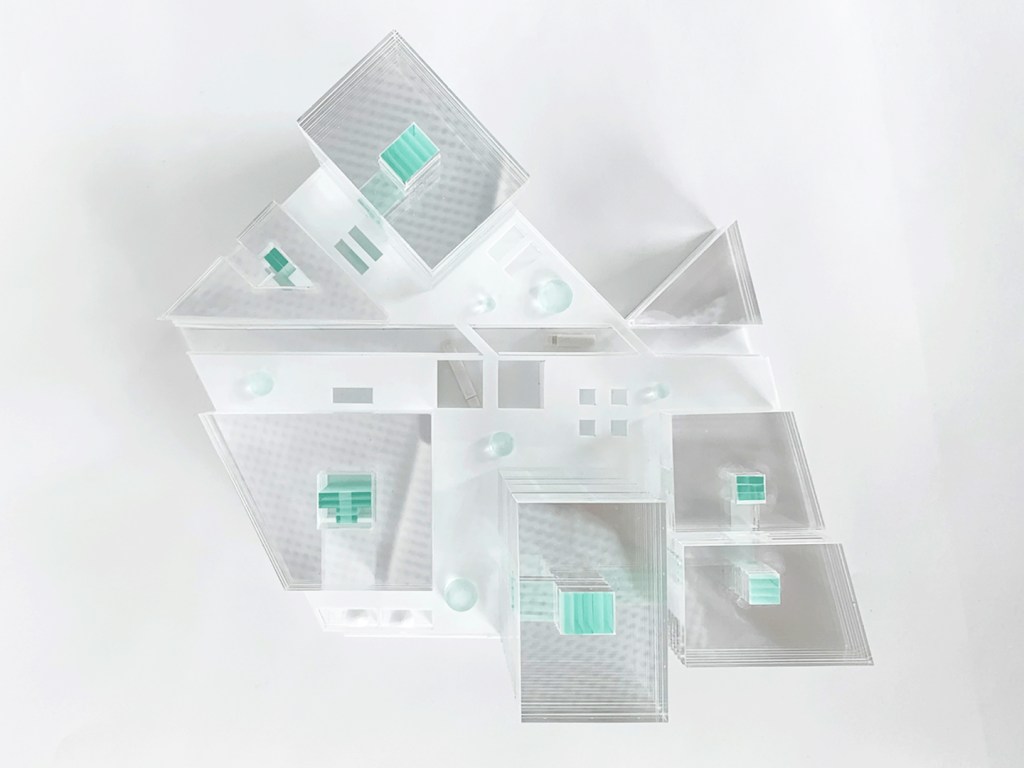
concept model | 1:500
materials: Cast Acrylic and PVC
client: BETA
architect: BETA office for architecture and the city
location: Amsterdam, 2020
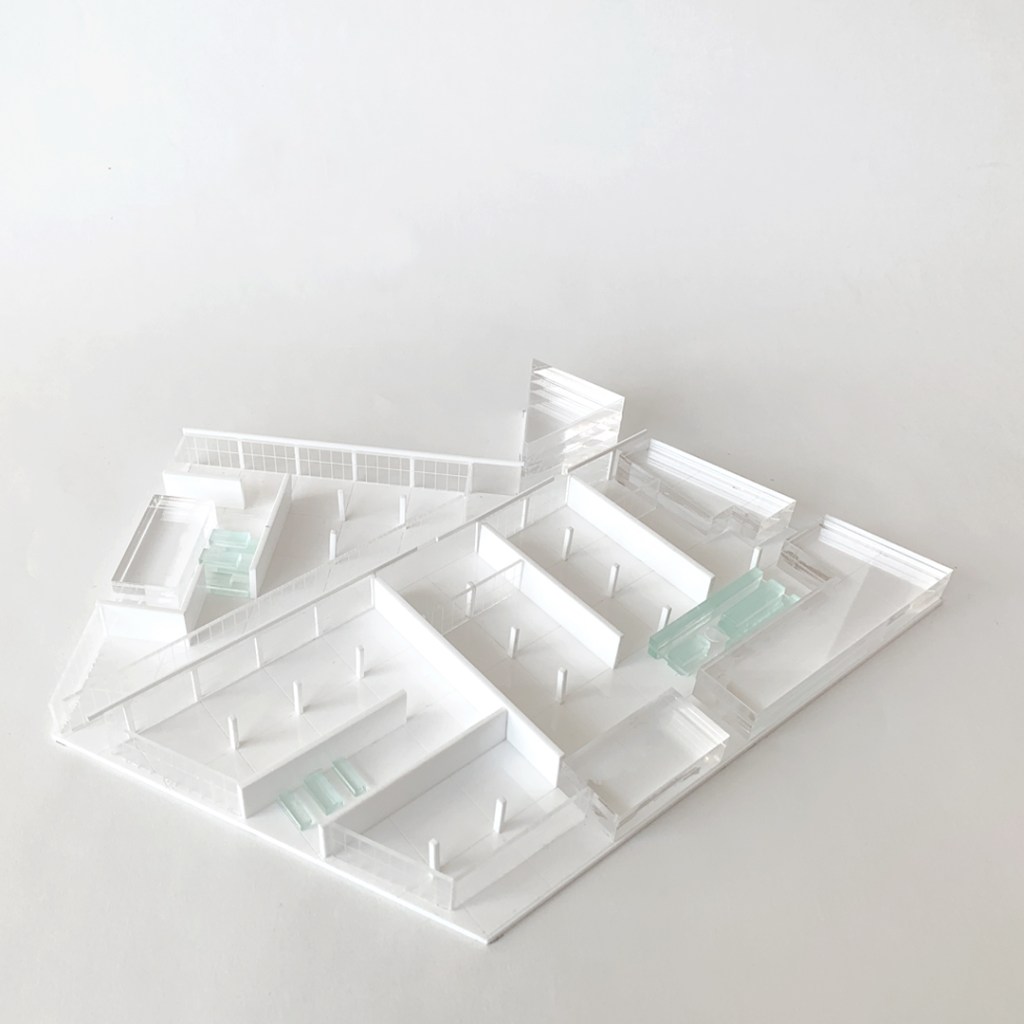
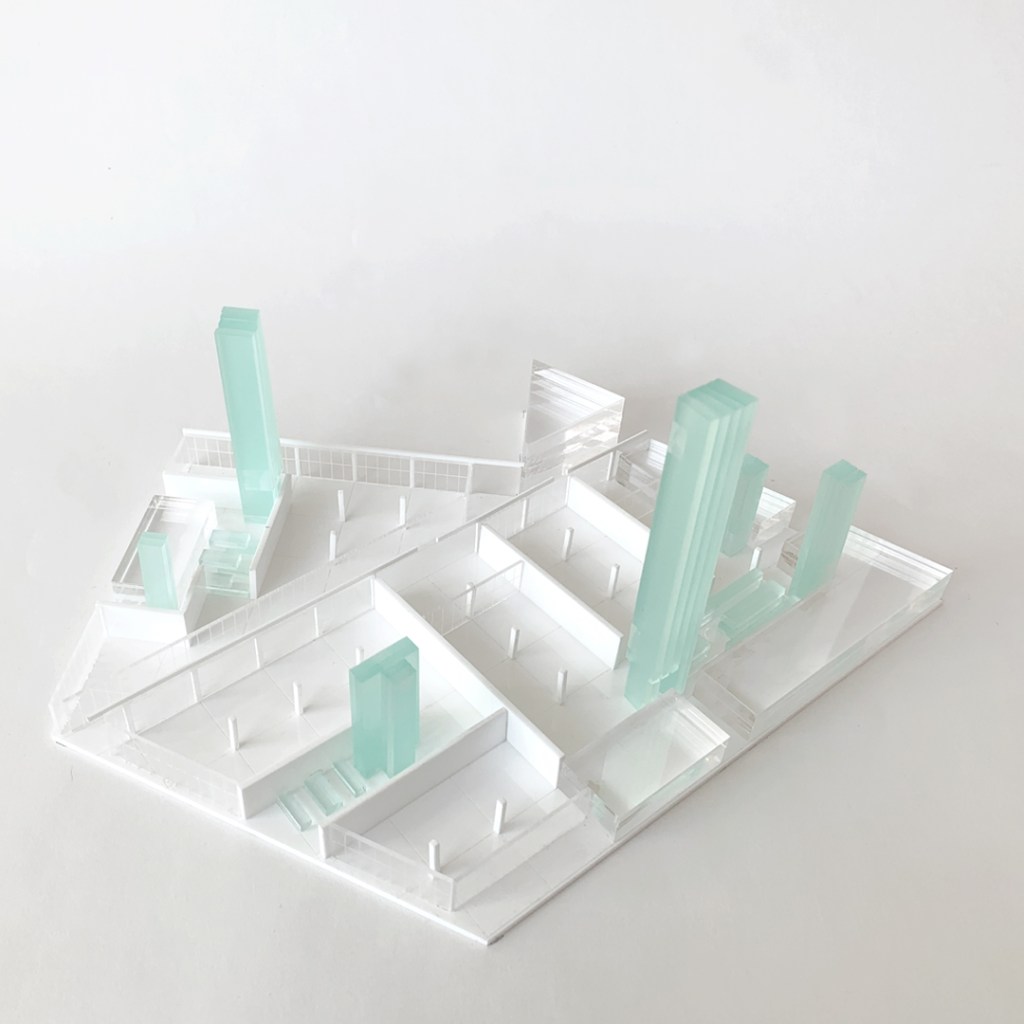
The monotony of this block is broken by integrating an urban street and intersections at different heights, which serve both the mixed-use ground floor and the elevated city level. When deconstructing the model, the smart grid and various components of the project become clearly visible.
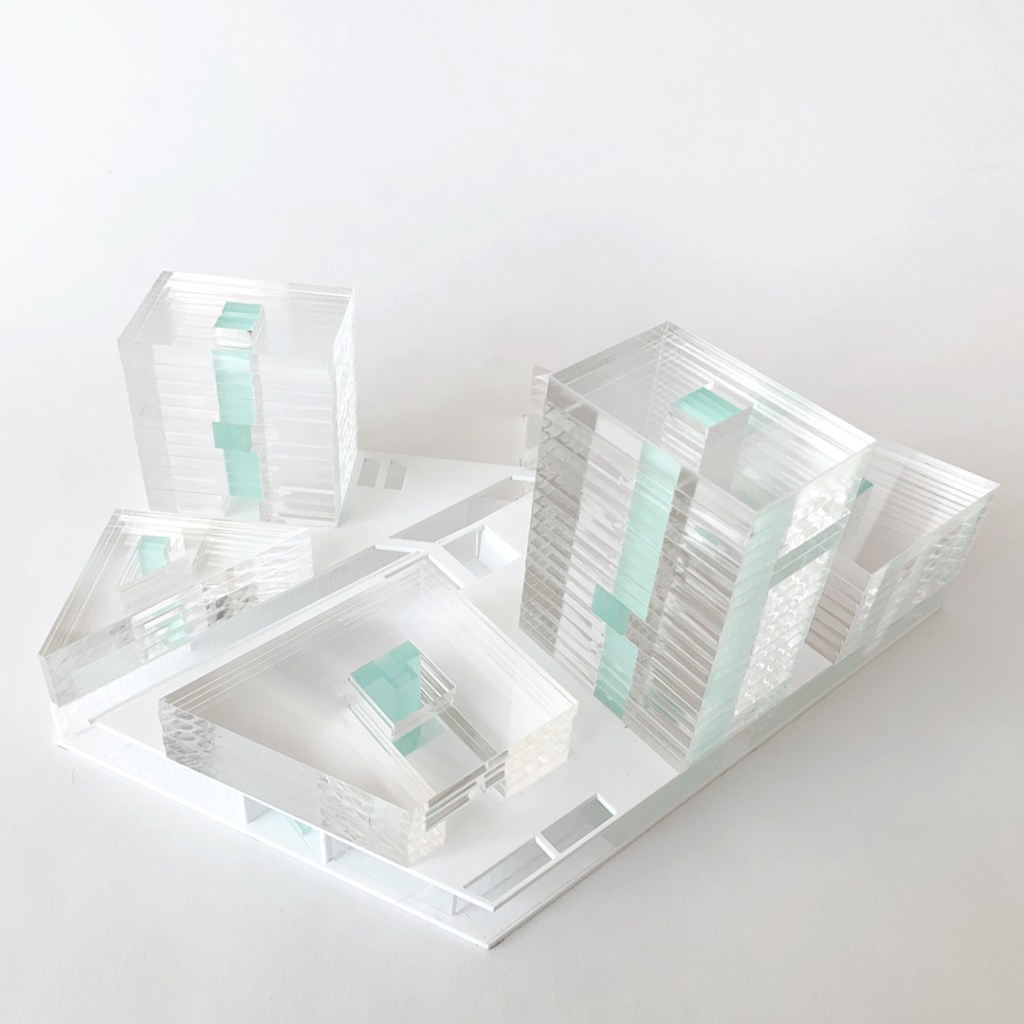
In a separate block, the integration of existing architecture made the grid and its interventions to become more localized. Nonetheless, the model's stackable and transparent nature effectively demonstrates the adaptability and interchangeability of the design.
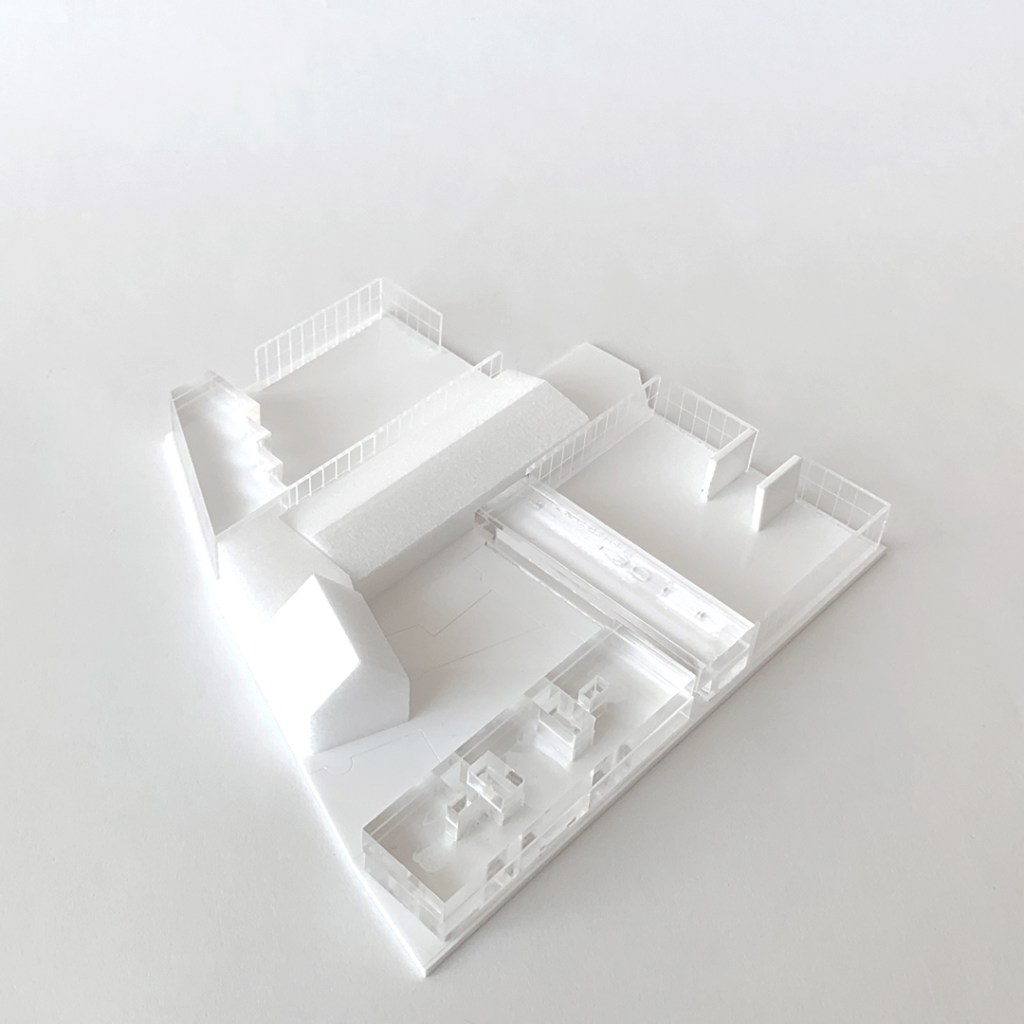
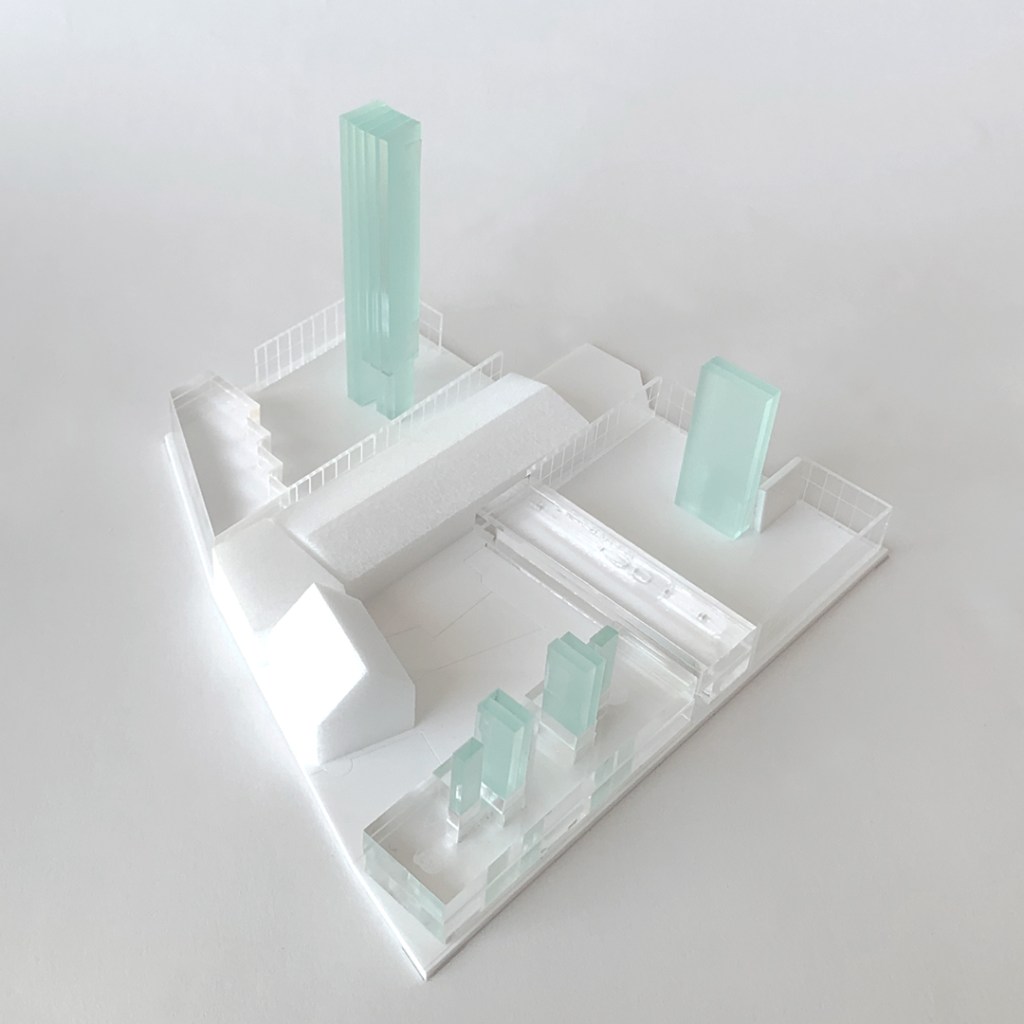
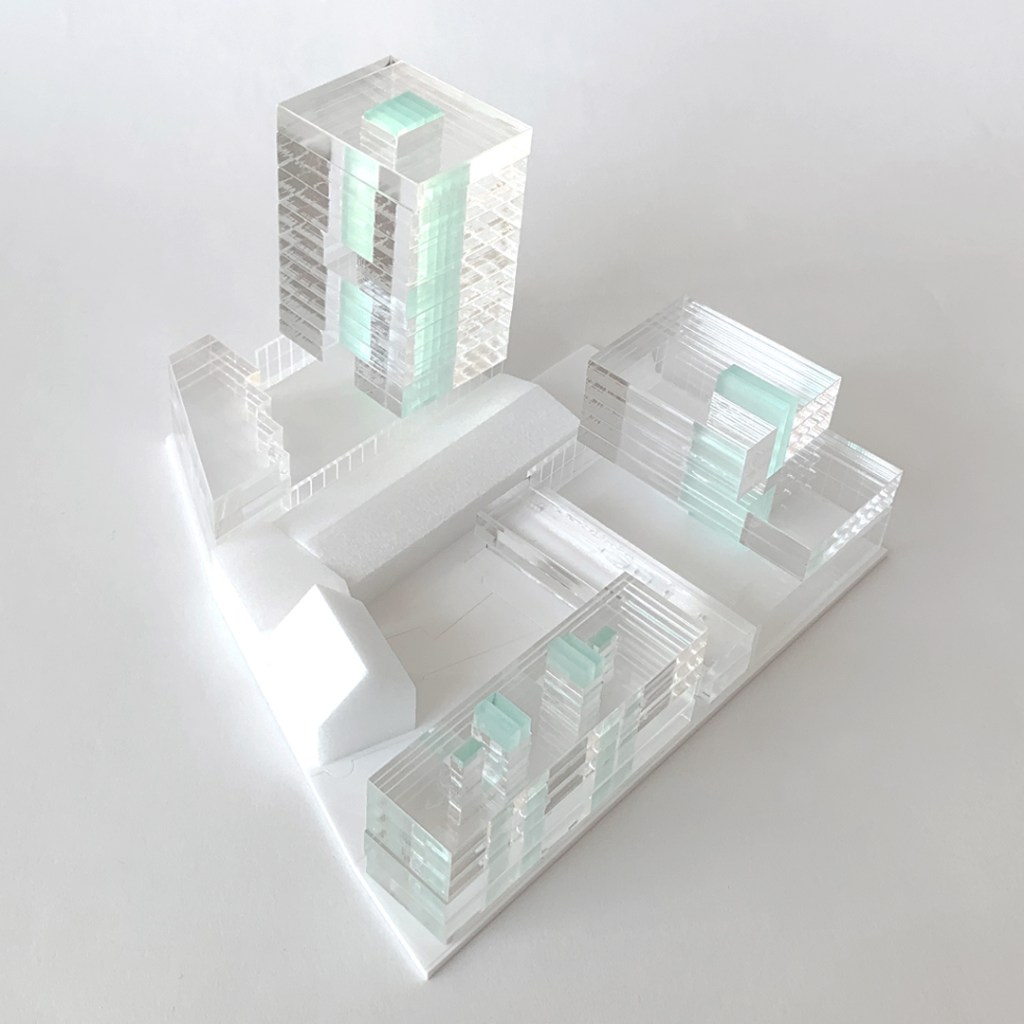
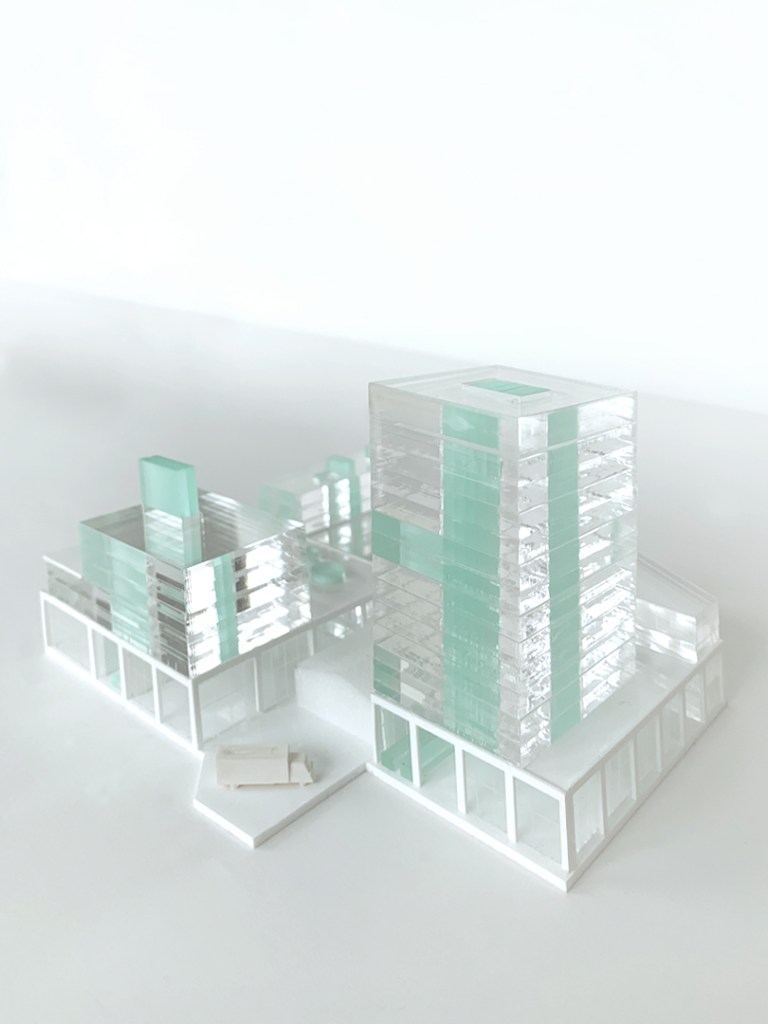
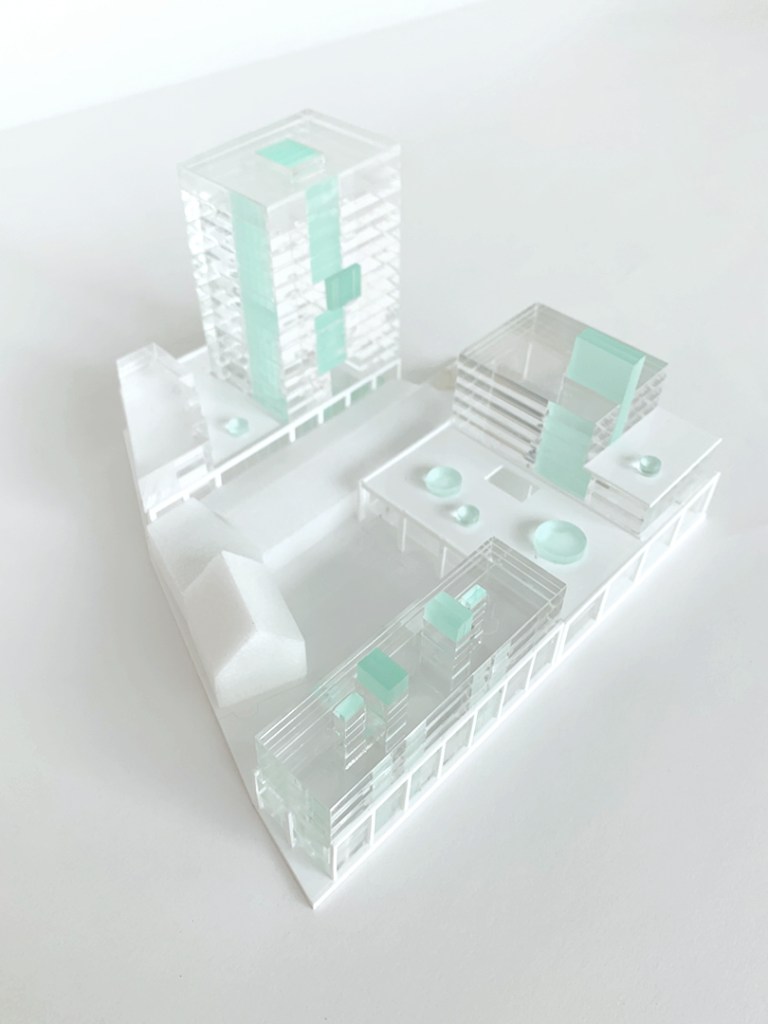
Drawing from their research "Bewegen in Gebouwen", BETA created a series of mixed-used neighborhoods where different architectural styles coexist both functionally and spatially. This was achieved by developing a smart grid that accommodates various aspects of urban living, from parking and commercial spaces to housing. We aimed to create a model that not only showcases different design options but also remains readable as a concise and well-thought-out future part of the city. The model uses three materials-white PVC, colored acrylic and transparent acrylic- to represent the three main elements of the design: urban elements, cores/ vertical routing and housing typologies. The stackable and interchangeable nature of the model reflects the adaptive nature of the project, allowing the transparent parts to be easily replaced to demonstrate different options and facilitate interactive discussions.

The built mass clearly illustrates the vertical routing and how it incorporates in the overall design. This concept of bringing urbanity and communal spaces into the housing typology was an integral part of the project. The contrast between the green color and transparent layers accentuates these features, giving the maquette the distinct identity of a three-dimensional diagram.
 STUDIO BASIC